Skip to content

Your Introduction to Ice Fishing for Lake Trout
Did you know that lake trout are among the most aggressive predators beneath the ice, capable of explosive strikes even in the coldest mid-winter conditions? When I first started ice fishing for lake trout, I quickly realized this wasn’t just another winter pastime; it was a full-on obsession.
In this guide, I’ll walk you through everything I’ve learned over years of chasing these deep-water giants. From gear selection to jigging methods to structure scouting, we’ll break down the entire process step by step. Whether you’re a new angler or a seasoned hardwater veteran, the insights ahead will help you fish smarter, adapt faster, and hook more lake trout all winter long.
Understanding Lake Trout Behavior in Winter
I used to think winter lake trout fishing was just about dropping a lure straight down and hoping for the best. After enough skunked trips and frozen fingers, it finally clicked that lake trout aren’t random under the ice; they’re predictable if you pay attention. Once I stopped fighting their seasonal behavior and started fishing with it, my hookup rate changed fast.
How lake trout move between depths through the season
Early on, I’d camp over one deep hole all winter and wonder why marks would vanish for weeks. Lake trout don’t park themselves; they roam edges, basins, and mid-depth shelves depending on conditions. Early ice, I’ve consistently found them cruising 20–40 feet, but by mid-winter, they slide deeper, often 60–120 feet, especially on big lakes.
Late ice is where things get weird, in a good way. Fish start rising again, sometimes suspending halfway up the water column, chasing bait. I’ve had days where my best fish came 30 feet off bottom while everyone else was pounding mud.
Water temperature, oxygen levels, and prey patterns
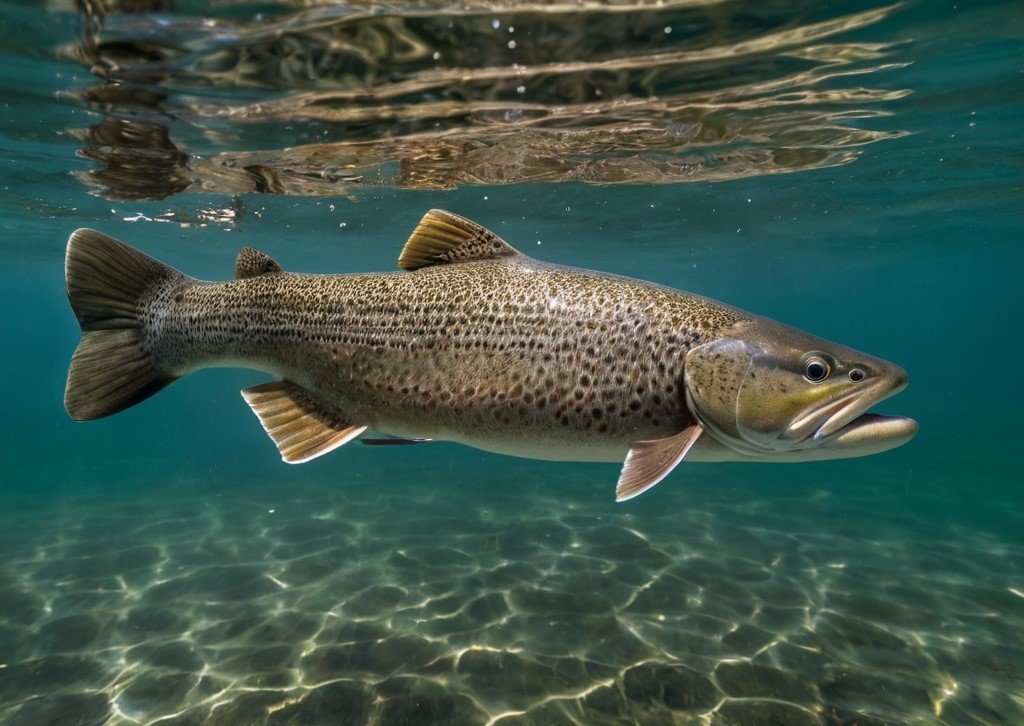
Lake trout love cold water, but even they have limits. Under ice, the most stable water temperature hangs right around 39°F, and trout gravitate toward it. Oxygen levels are usually good in deep, clear lakes, which is why lakers can live deep all winter without stress.
Prey drives everything, though, and this part kicked my ego a bit. When smelt or cisco schools shift, trout follow, even if it means abandoning “perfect” structure. Once I started watching my flasher for bait clouds instead of just bottom contours, things finally made sense.
Early ice vs. mid-winter vs. late-ice behavior shifts
Early ice lake trout are curious and reckless, and that’s the fun window. They’ll chase fast-moving spoons and commit hard. Mid-winter, they get lazier and more calculated, and I’ve watched fish follow a lure for minutes before deciding.
Late ice is my favorite chaos phase. Feeding urgency ramps up, travel increases, and reaction strikes become common again. It’s not consistent, but when it’s good, it’s stupid good.
Why lake trout respond differently to aggressive presentations
I learned this lesson the hard way by jigging like a maniac all season. Aggressive jigging works, but only when fish are in a chasing mood. Mid-winter, overly aggressive presentations can actually push neutral fish away, which was painful to admit.
Now I mix it up. I’ll start loud and fast to get attention, then slow it way down with subtle lifts and long pauses. A lot of my biggest fish hit when the lure was barely moving, which still surprises me.
Understanding feeding windows and strike triggers
Lake trout don’t feed all day, and that used to frustrate me to no end. Their feeding windows are often short, sometimes 30–60 minutes, tied to light changes or bait movement. Dawn, dusk, and sudden weather shifts have been my most reliable triggers.
Strike triggers can be tiny details, too. A pause after a long chase, a sudden direction change, or even stopping the lure completely has sealed more hookups than fancy gear ever did. Once I stopped forcing bites and started waiting for windows, winter laker fishing became way less stressful and way more fun.
Best Locations and Structure for Ice Fishing Lake Trout
I wasted years drilling holes in spots that looked good but produced nothing but cold toes. What finally sank in was that lake trout location is about movement and purpose, not just depth. Once I started treating structure like a travel route instead of a parking lot, things got way more consistent.
Key structure: drop-offs, reefs, saddles, humps, and deep basins
Drop-offs were my first breakthrough, especially long tapering breaks that slide from 30 into 80 feet. Lake trout use these like highways, cruising edges instead of sitting on top. Reefs and humps are even better when they top out near the thermally stable zone and fall quickly into deep water.
Saddles between humps are sneaky good, and I ignored them for way too long. Deep basins matter too, but mostly as travel zones, not feeding spots. If I’m fishing a basin, I’m usually targeting the edges where bait slips in and out.
How to use maps, sonar, and GPS to locate feeding zones
Paper maps taught me more than any fancy screen at first. I’d circle tight contour lines, then check them with sonar once on the ice. Feeding zones usually showed bait nearby, or fish suspended slightly off bottom, which was a clue I was close.
GPS changed everything for repeat success. Once waypoints were saved, patterns became obvious over time. Sonar doesn’t lie, but it does need patience to interpret.
Spot-on-the-spot positioning to reduce wasted time
I used to drill one hole and wait way too long. Now I drill small grids and move fast until something shows. Being 15 feet off a break can mean the difference between steady marks and a dead screen.
I try to sit where I can watch multiple depth changes without moving. That little adjustment alone saved hours of wasted jigging. Precision matters more than people admit.
How lake trout follow baitfish migrations through the day
Baitfish don’t stay put, and neither do trout. Smelt and ciscoes often slide shallow early, then drift deeper as light increases. I’ve watched trout follow them almost vertically on my flasher, which still blows my mind.
Midday movement is subtle, but it’s there. If the bait shifts 10 feet deeper, trout usually follow. Staying alert beats staying comfortable.
Why mobility is essential for consistent success
This one hurt my pride because I like to settle in. Lake trout fishing rewards motion, not stubbornness. If nothing happens in 20–30 minutes, I move, even if the spot “should” be good.
Mobility keeps you in feeding windows instead of waiting them out. The most consistent days I’ve had involved drilling a lot of holes and fishing for fewer minutes per spot. It’s more work, sure, but the payoff is worth every frozen joint.
Essential Gear for Ice Fishing for Lake Trout
I’ll be honest, I under-gunned myself for lake trout at first, and it cost me fish. Snapped leaders, bent hooks, and one fish that still haunts me after a lazy reel choice. Lake trout are powerful, and ice fishing gear that works for walleye just doesn’t always cut it.
Best rods, reels, and line setups for big lake trout
I’ve learned the hard way that medium-heavy rods are the sweet spot for most laker situations. You need backbone for deep water hooksets, but enough tip to work spoons and tubes naturally. I run longer rods now, usually 36–42 inches, because leverage matters when a 20-pound fish decides to head back to the basin.
Reels should be smooth, not fancy. A solid drag is non-negotiable since lake trout surge hard, especially near the hole. Cheap drags get exposed fast in cold weather.
Fluorocarbon vs. braid for hardwater presentations
This one took trial and error. I fish braid as my mainline for sensitivity, especially in 80–120 feet, because fluorocarbon alone felt mushy down deep. A fluorocarbon leader, usually 15–20 lb, gets tied in to handle abrasion and reduce visibility.
Fluorocarbon shines for stealth, braid shines for feel. Combining them solved most of my problems. When I didn’t use the combination, misses were common.
Must-have electronics: fish finder, underwater cameras, GPS
Fish Finder is mandatory, full stop. Watching how lake trout react to your lure teaches you more in one day than guessing for a season. I’ve watched fish charge, stall, fade, and circle, and each reaction told me what to do next.
Underwater cameras are helpful but situational. GPS, though, is criminally underrated. Being able to repeat productive drifts and edges made my success less lucky and more repeatable.
Portable shelters and clothing systems for extreme weather
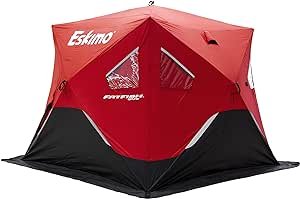
I tried toughing it out once in brutal wind, and never again. Portable shelters don’t just block the cold; they extend your focus. When you’re not shivering, you fish better, plain and simple.
Layering matters more than brand names. I run moisture-wicking base layers, heavy insulation, and windproof shells. If sweat builds up, you lose heat fast, and that lesson was learned the uncomfortable way.
Safety gear: ice cleats, float suits, picks, and checking ice thickness
This part isn’t exciting, but it’s serious. Ice cleats live in my sled now because falling once was enough. Ice picks stay around my neck, not buried somewhere useless.
Checking ice thickness as you move is a habit worth building. Float suits look bulky, but they buy time if things go wrong. I’d rather look overprepared than gamble with cold water.
Good gear doesn’t guarantee fish, but bad gear almost guarantees frustration. Once I invested wisely and stopped cutting corners, ice fishing for lake trout became safer, smoother, and a whole lot more enjoyable.
Best Baits and Lures for Targeting Lake Trout
I used to believe there was a single “magic” lake trout lure, and I chased that myth way longer than I should’ve. My tackle box got heavier, my confidence got lighter, and the fish didn’t care. What finally worked was understanding why certain baits shine at certain times, not just which ones looked good in the shop.
Jigging spoons, tubes, swimbaits, blade baits, and soft plastics
Jigging spoons were my gateway lure, and they still earn their keep. Heavy spoons in the ¾ to 1½ oz range get down fast and call fish from a distance. Tubes came later for me, but once I learned how naturally they glide, especially on the drop, they started producing my bigger fish. White tube jigs in the 3–5 inch range are especially productive because they closely imitate cisco and smelt, the trout’s primary prey.
Swimbaits and soft plastics surprised me. They don’t look flashy, but when lake trout go neutral, that subtle tail kick keeps fish interested longer. Blade baits are niche, but when trout are aggressive, that vibration can trigger fast reaction strikes.
Natural bait options: cisco, smelt, sucker meat
I resisted dead bait at first because it felt like cheating. Turns out, it’s just smart fishing. Cisco and smelt chunks match natural forage almost perfectly, especially in clear lakes.
Sucker meat is tougher and stays on the hook better, which matters when fish nip instead of committing. I’ve had days where artificial lures failed completely, but a strip of real bait sealed the deal.
When to use large vs. subtle presentations
Big lures call fish, no question. Early ice and late ice are prime times for oversized spoons and aggressive jigging. Mid-winter, though, subtle wins more often than not.
Downsizing saved my season more than once. Smaller profiles with slower movements seem less threatening when fish are pressured or lazy. It’s frustrating, but effective.
Color patterns that consistently attract lake trout
I keep it simple now. White, silver, and glow patterns get the most water time. Chartreuse accents help in low-light or deep-water conditions.
UV finishes can matter, especially over 80 feet. I used to ignore color changes, but small tweaks have turned follows into strikes more times than I can count.
How to adjust lure action for different conditions
Fast snaps and big rips work when fish are fired up. Long pauses and gentle lifts work best when the lakers are being picky. The mistake I made early was fishing one speed all day.
Watching fish reactions on sonar taught me when to slow down or speed up. Sometimes doing less triggers more bites. That lesson didn’t come easy, but it stuck. No lure works all the time, and that’s okay. Adaptation beats confidence in any single bait, every season.
Proven Jigging Techniques for Lake Trout
Jigging for lake trout humbled me fast. I came in thinking more motion meant more bites, and that mindset probably scared off more fish than it attracted. It took a few brutal, fishless stretches before I realized jigging is less about showing off and more about reading moods.
Vertical jigging vs. chasing fish with sonar
I used to chase every mark that showed up on my sonar, yanking my lure upward like the fish owed me money. Sometimes it worked, but more often the fish followed halfway and faded out. Vertical jigging in one zone, letting fish come to me, turned out to be more consistent.
That said, chasing fish has its place. Aggressive trout during early ice or feeding windows will rocket upward and smash a bait. Knowing when to stay put and when to move is learned, not taught.
The rise-and-pause method
This technique changed everything for me. A smooth lift of 1–3 feet, then a long pause, sometimes 5–10 seconds, feels boring but works. Most of my strikes came during the pause, when the lure looked injured and vulnerable.
Early on, I didn’t pause long enough. Once I forced myself to wait, bites increased. Patience was learned the slow way.
Snap-jigging and reaction-strike triggers
Snap-jigging is controlled chaos. Sharp upward snaps followed by slack allow the lure to flutter unpredictably. This triggers reaction strikes, especially when trout are competitive or chasing bait.
I reserve snap-jigging for active fish. When I overused it mid-winter, fish followed but refused. That was my cue to dial it back.
Deadstick setups and when they outperform jigging
I ignored deadsticks for years, which was stubborn. A stationary bait, especially a tube or baited spoon, can outfish jigging during neutral periods. Deadsticks shine when fish are cautious or pressured.
Placing a deadstick slightly off bottom or suspended near bait often seals the deal for the fish. It’s boring, but effective.
Tips for reading sonar and anticipating strikes
Sonar tells a story if you slow down. Fast risers usually want aggressive moves. Slow, hovering marks want finesse. When a mark stops rising and just sits under your lure, get ready. That hesitation is often the moment before impact.
Learning that timing saved me countless missed opportunities and made jigging feel less like guessing and more like a conversation.
Ice Fishing Strategies for Trophy Lake Trout
Trophy lake trout taught me humility in a hurry. I caught plenty of smaller fish early on and thought I had things figured out, then the big ones showed me I didn’t. Bigger trout play a slower, smarter game, and once I accepted that, my approach finally changed for the better.
How big trout behave differently from smaller fish
Small lake trout act recklessly. Big ones don’t. Trophy fish are deliberate, often following a bait for a long time before making a decision. I’ve watched giants sit ten feet below my lure, unmoving, just observing.
That hesitation used to frustrate me, but now I see it as a good sign. Big trout don’t waste energy.
Using larger baits and aggressive presentations
Big fish eat big meals, and downsizing too much can cost you chances. Large spoons, oversized tubes, and full-profile swimbaits consistently attract bigger marks. Aggressive lifts get attention, but commitment comes later.
I’ll often start loud to call fish in, then tone it down. It’s like knocking on a door, then lowering your voice once someone answers. That shift has triggered some of my heaviest fish.
Staying mobile to locate isolated giants
Trophy trout are often loners. They don’t school the way smaller fish do, and waiting in one spot rarely pays off. Mobility became my biggest weapon.
I drill holes along major travel routes, not just prime-looking spots. If nothing shows after 20 minutes, I move. The day I embraced constant movement was the day my trophy odds went up.
Setting up multiple lines legally and strategically
Running multiple lines changed how I fish for big trout. One aggressive jigging rod draws attention, while a deadstick quietly seals the deal. That combo feels unfair sometimes.
Deadsticks get set slightly higher in the column, often with natural bait or a subtle tube. Many of my largest trout hit the deadstick while I was busy jigging, which still makes me laugh.
Understanding feeding windows for trophy fish
Trophy fish feed less often, but more intentionally. Their feeding windows are shorter and more precise. I’ve seen giants show up for ten minutes, then disappear completely.
Weather shifts, low light, and bait movement trigger these windows. Missing them means missing the fish. Staying alert, even during slow stretches, is key.
Targeting trophy lake trout isn’t about numbers. It’s about patience, confidence, and accepting long, quiet periods. When it finally comes together, though, the reward feels earned, not lucky.
Safety Tips and Best Practices for Ice Fishing
Safety wasn’t something I obsessed over at first, and that was a mistake. Ice fishing feels calm and familiar until it suddenly isn’t, and I learned that lesson after hearing ice crack a little louder than I liked. Since then, safety has stopped being optional and has become part of the routine.
Ice thickness guidelines and safe travel
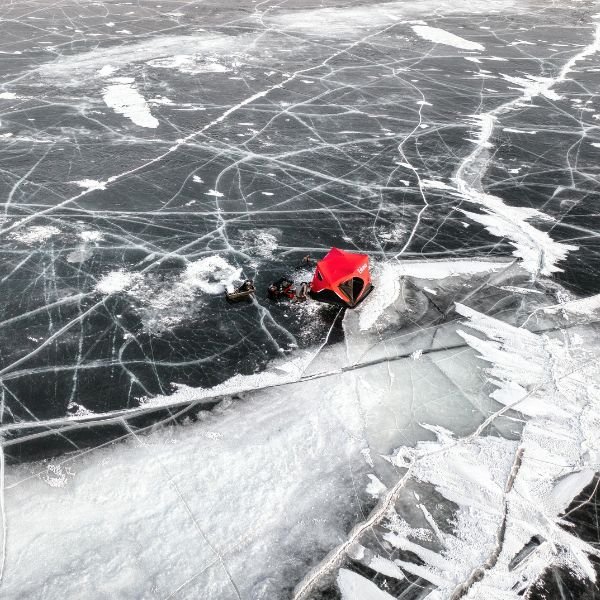
I used to trust “it looks good” way too much. Now I stick to numbers because ice thickness doesn’t care about confidence. Four inches for foot travel, five to six for snowmobiles, and I don’t even think about vehicles unless it’s well over a foot.
Ice thickness changes fast, too. Current, pressure cracks, and springs weaken ice silently, and I’ve seen solid-looking ice give way ten feet from shore. Drilling test holes as I move feels slow, but it’s faster than an emergency.
Managing cold-weather injuries and frostbite risks
Cold sneaks up on you, especially when you’re focused on fish. Numb fingers were brushed off early on, until dexterity vanished and tying knots became impossible. That’s when I realized frostbite doesn’t announce itself politely.
I keep spare gloves and socks in dry bags now. If anything gets wet, it gets changed immediately. Once circulation drops, things can go downhill fast, and prevention beats warming up later.
Why weather patterns affect ice conditions
I didn’t respect weather patterns at first. Warm days followed by freezing nights create weak layers that look solid but aren’t bonded well. Snow cover acts like insulation, slowing ice growth even when temperatures stay cold.
Wind matters too, especially near shorelines. Shifting ice sheets can open cracks overnight, and what was safe yesterday might not be today. I’ve learned to recheck ice every trip, no exceptions.
Carrying emergency gear, what every angler should pack
Emergency gear used to feel excessive. Now it feels normal. Ice picks around the neck, not in a bucket, are non-negotiable.
A throw rope, whistle, headlamp, and a basic first-aid kit live in my sled. A flotation suit isn’t stylish, but it buys time if things go wrong. Being prepared is quiet confidence.
Ethical handling techniques for catch-and-release lake trout
Lake trout deserve respect, especially big ones. I used to take multiple photos and keep fish out of water for too long, not realizing the damage I was doing. Now I keep fish submerged whenever possible and minimize handling.
Wet hands, barbless hooks, and quick releases matter. Deep-water fish need time to recover, and forcing them back down too fast can cause issues. Watching a trophy swim away strong feels better than any photo.
Ice fishing safety isn’t about fear. It’s about awareness, habits, and responsibility. The more time I spend on the ice, the more I realize that coming home safely is always the real win.
Final Tips for Successful Lake Trout Ice Fishing
Ice fishing for lake trout is one of the most thrilling winter experiences out there, with fast action, powerful fish, and endless opportunities to learn and adapt. By understanding trout behavior, using the right gear, perfecting your jigging techniques, and staying mobile, you’ll dramatically improve your success on the ice. Whether you’re aiming to fill the freezer or land a trophy, these strategies will help you fish with confidence all season long. Now get out there, drill some holes, and put everything you’ve learned into action.
Key Takeaways for Ice Fishing for Lake Trout
- Ice fishing for lake trout is most successful when anglers understand seasonal behavior shifts, including early ice aggression, mid-winter lethargy, and late-ice feeding urgency.
- Lake trout are highly mobile predators in winter, frequently moving between depths (20–120+ feet) based on water temperature, oxygen levels, and baitfish location.
- Feeding windows are short and predictable, often triggered by low-light periods, weather changes, and bait movement rather than all-day activity.
- Productive lake trout locations prioritize travel routes, not static spots, including drop-offs, reefs, saddles, humps, basin edges, and mid-depth shelves.
- Mobility is critical—drilling multiple holes and relocating every 20–30 minutes dramatically increases encounters with active fish.
- Effective ice fishing gear for lake trout requires medium-heavy rods, smooth drags, braid mainline with fluorocarbon leaders, and reliable electronics.
- Sonar is essential for reading fish behavior, adjusting jigging cadence, and identifying baitfish presence under the ice.
- Successful lures include jigging spoons, tubes, swimbaits, blade baits, and soft plastics, with presentation speed adjusted to fish mood and season.
- Large, aggressive lures perform best during early and late ice, while smaller, subtle presentations dominate during mid-winter neutral periods.
- Proven jigging methods include rise-and-pause, controlled snap-jigging for reaction strikes, and vertical jigging over key structure.
- Deadstick rods consistently outperform active jigging during neutral conditions, especially when paired with natural bait.
- Trophy lake trout behave differently than smaller fish, showing slower approaches, longer inspections, and fewer but more intentional feeding windows.
- Targeting trophy lake trout requires larger bait profiles, strategic multi-line setups (where legal), and constant movement along major travel corridors.
- Ice safety is non-negotiable and includes checking ice thickness frequently, wearing ice cleats or flotation suits, and carrying ice picks and emergency gear.
- Ethical catch-and-release practices—minimal air exposure, wet handling, and barbless hooks—are essential for preserving lake trout populations.
Bottom Line:
Ice fishing for lake trout rewards anglers who prioritize behavioral understanding, mobility, precision gear, and adaptive presentations over luck or stubborn spot fishing.
FAQ Section
What is the best depth to ice fish for lake trout?
Lake trout are highly depth-flexible, but most anglers find success between 40 and 120 feet during mid-winter. However, early and late ice periods often push trout shallower, sometimes as shallow as 10–30 feet. Using sonar to track suspended fish is the most effective way to locate active trout.
What is the best lure for targeting lake trout under the ice?
The most reliable lures include white tube jigs, jigging spoons, soft-plastic swimbaits, and blade baits. Tube jigs in the 3–5 inch range are especially productive because they closely imitate cisco and smelt, the trout’s primary prey.
What type of rod and line setup works best for lake trout?
A medium-heavy to heavy ice rod paired with a 2500–3000 size spinning reel is ideal. Most anglers use braided line (10–20 lb) for sensitivity and strength, combined with a fluorocarbon leader (10–15 lb) for invisibility and shock absorption.
Do lake trout bite throughout the day or only at certain times?
Lake trout can bite all day, but the strongest activity windows are typically early morning, late afternoon, and during pressure changes. Midday action can be excellent if you stay mobile and chase roaming schools of baitfish.
How do you trigger a strike from a finicky lake trout?
If a trout follows but won’t commit, try:
– Rapid upward jigging to create an escape reaction
– Sudden pauses to imitate injured prey
– Switching lure colors (white, silver, blue, or glow)
– Dropping the lure below the fish, then rising quickly, triggering instinctive pursuit
These adjustments often convert hesitant followers into aggressive eaters.
Disclaimer: This blog post contains affiliate links