Skip to content

Why Ice Fishing for Burbot Is One of Winter’s Best-Kept Secrets
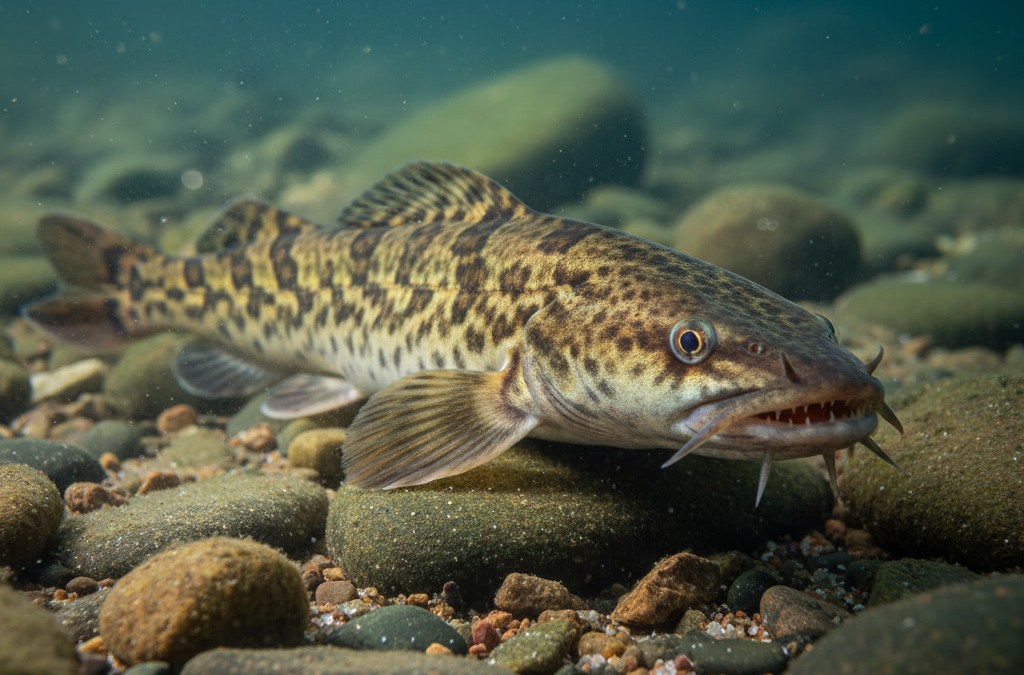
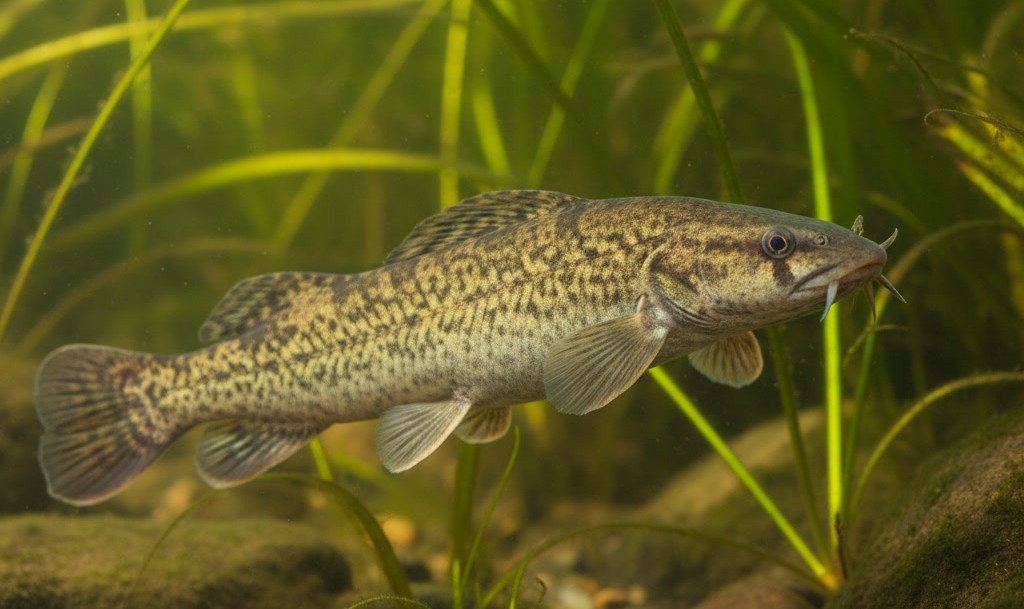
Ice fishing for Burbot is one of the most underrated winter angling adventures, and I’ve always believed that this species deserves far more attention than it gets! Known as “ling,” “lawyers,” or “eelpout,” Burbot are the only freshwater cod species in North America, and they thrive in the coldest months. In fact, did you know that Burbot actively spawn under the ice in mid-winter? That strange behavior alone makes them one of the most exciting fish to target once the temperatures drop.
In this guide, I’ll walk you through everything I’ve learned about targeting Burbot during the hard-water season, from prime locations to the best baits and night-fishing strategies.
Understanding Burbot Behavior and Habitat
I’ll be honest, Burbot confused the heck out of me when I first started chasing them through the ice. I was treating them like lazy bottom fish that just happened to bite at night, and that mindset cost me a lot of blank trips and frozen toes.
Once I actually slowed down and paid attention to burbot behavior, things finally started to click. These fish aren’t random at all; they’re predictable if you understand what drives them in winter.
Cold-water preferences and why Burbot become active in winter
Burbot are absolute cold-water freaks, and I mean that in the nicest way. They thrive in water temperatures that make other species sluggish, which is why winter is their time to shine. When surface temps drop and ice locks things up, burbot metabolism actually ramps up. I’ve seen them get more aggressive at 34–38°F (1–3°C) than they ever are in open water, and it was wild to watch on a flasher.
Key spawning behavior and timing
Spawning is the real reason Burbot go on a winter feeding tear. In many northern waters, spawning happens between late January and February, often right under the ice. What caught me off guard early on was how much they roam during this period. They aren’t just sitting still; energy is being burned, calories are needed, and feeding becomes almost nonstop.
Depth ranges where Burbot gather under the ice
Depth is one of those things that gets oversimplified online. Yes, Burbot are bottom-oriented, but that doesn’t always mean “deep.” I’ve caught plenty in 15–25 feet during spawning season, especially near shore breaks. Other times, especially midwinter, they were stacked in 40–60 feet, tight to the bottom like they were glued there.
Bottom structure types Burbot prefer (flats, depressions, humps, gravel)
If I had to pick one lesson I learned the hard way, it’s this: featureless mud is usually a waste of time. Burbot love subtle structure: small depressions, gravel flats, or the base of underwater humps. Gravel and hard bottom seem especially important during spawning.
I once drilled 12 holes across a flat and caught nothing, then moved 30 yards onto gravel and hooked three fish in an hour.
How light levels and time of day influence feeding
Light matters more than most people admit. Burbot don’t like bright conditions, and feeding is often reduced during sunny afternoons. Low light periods, sunset, heavy snow, and overcast skies consistently produce better bites. It felt frustrating at first because daytime trips were easier, but the pattern became obvious over time.
Nighttime movement patterns and feeding activity windows
Night fishing is where Burbot really come alive. Movement increases after dark, and they’ll cruise flats and travel corridors looking for food. What surprised me was how tight the feeding windows can be. Some nights it was a 90-minute flurry between 8:30 and 10 PM, then dead silence.
Best Locations for Ice Fishing for Burbot
Finding Burbot consistently didn’t happen for me until I stopped drilling random holes and actually thought about location. Early on, I figured if I was in deep water at night, I was doing it right, and yeah… that was wrong more times than I want to admit. Once I started dialing in where the Burbot want to be, my catch rate changed fast. Not overnight, but enough that I stopped questioning my sanity after midnight.
Proven burbot hotspots (points, drop-offs, mid-lake humps)
If you’re looking for classic burbot water, think travel routes. Points that taper into deeper basins, long drop-offs, and mid-lake humps are money. I’ve had my best nights on the downwind side of mid-lake humps where bait tends to collect. Burbot cruise these edges, not the tops, usually 5–15 feet off the break, and that detail mattered more than I expected.
How to read contour maps for burbot zones
Contour maps used to intimidate me, but now I won’t fish without one. What I look for are tight contour lines stacked close together next to flatter areas. Those transitions are prime burbot lanes. If I see a flat at 25 feet dropping into 40 fast, I’m drilling holes along that edge every time.
Rivers vs. lakes: what changes
Rivers threw me off at first because depth isn’t king like it is in lakes. In moving water, Burbot relate more to current breaks and bottom composition. I’ve caught them tucked behind bends, near deep holes below rapids, and along slow inside seams. They still hug the bottom, but positioning matters more than exact depth.
Identifying burbot spawning areas
Spawning areas are where things get fun. Burbot typically spawn over gravel or rocky bottoms in relatively shallow water, often 10–25 feet. One winter, I stumbled onto a spawning area by accident and thought I hit the jackpot. Fish were cruising nonstop, and every drop felt like it could get hit.
Local regulations and specific burbot lakes to consider
This part gets overlooked, and I learned that lesson the awkward way. Some lakes allow unlimited harvest, others have size limits, and some are catch-and-release only. Local fisheries reports and regulations were checked religiously after that.
Bonus tip: Lakes with low angling pressure often produce bigger, more aggressive fish.
Seasonal movement patterns throughout winter
Early ice burbot hang deeper and move less. Midwinter is prime time: they roam more, feed harder, and show predictable movement. Late season, they slide back toward deeper basins after spawning. If you’re still fishing shallow, then you’re probably missing them by 20 feet.
Essential Gear for Burbot Ice Fishing
Gear was where I made some of my dumbest mistakes chasing Burbot. I assumed any ice setup would work since they’re “bottom fish,” and that assumption snapped rods, dulled hooks, and wrecked a few good nights. After enough trial and error, I learned burbot gear needs to be simple, tough, and reliable. Fancy setups look cool, but Burbot will expose weak links fast.
Rod and reel setup: medium-power rods, durability, and sensitivity
I’ve settled into medium-power ice rods, usually 30–36 inches. Anything lighter felt underpowered once a big burbot started rolling on the bottom. Sensitivity still matters, though. Burbot bites can feel like a wet sock at first, so a rod with a softer tip but with a strong backbone has worked best for me.
Line recommendations: braid vs. fluorocarbon
This one took me a while to admit, but braid changed everything. I run 10–15 lb braid because stretch-free hooksets matter when you’re fishing 40 feet down. Fluorocarbon is still used, just not as a mainline. Cold temps stiffen fluoro, and I lost fish early on because bites weren’t being felt clearly.
Terminal tackle: swivels, sinkers, and leader options
Terminal tackle doesn’t need to be fancy, but it needs to be strong. I use barrel swivels rated higher than I think I need because burbot twist like crazy. Sinkers are usually 1–3 oz, depending on depth and current. A fluorocarbon leader of 12–20 lb gets added mainly for abrasion resistance, not invisibility.
Electronics: sonar and underwater cameras
A fish finder is non-negotiable for me now. Burbot often sit inches off the bottom, and without a flasher or sonar, you’d never know they’re there.
Underwater cameras were helpful for learning, not necessary for catching. Seeing how burbot approach bait taught me patience when marks didn’t immediately bite.
Tip-up setups for stationary fishing
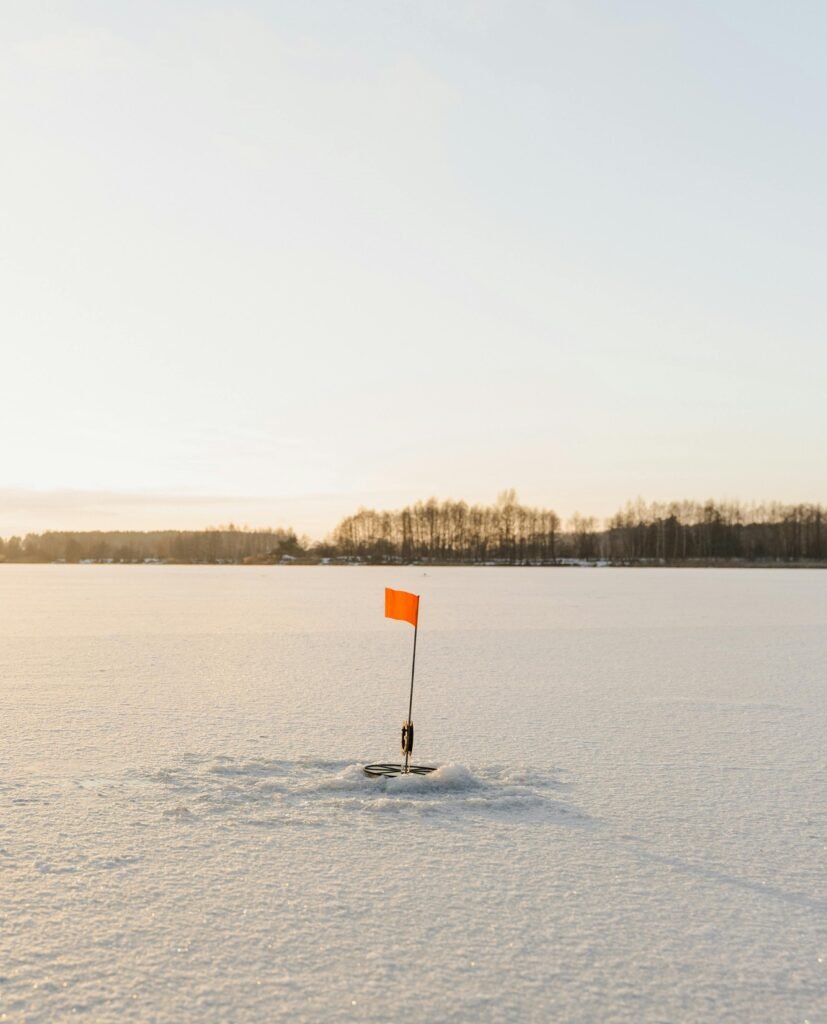
Tip-ups were a game-changer once I embraced them. I rig them with heavy 30 lb braid, stout leaders, and circle hooks to reduce deep hooking. Spacing matters. I’ll stagger tip-ups along depth changes while jigging nearby, which covers way more water than jigging alone.
Shelter and heater considerations for night fishing
Night fishing without a shelter is something I don’t recommend anymore. Wind chill plus long hours will drain your focus fast. A flip-over or hub shelter with a reliable propane heater keeps reaction time sharp. Cold fingers miss bites, and Burbot don’t wait around politely.
Best Baits and Lures for Catching Burbot
If there’s one thing Burbot taught me early, it’s that they are not subtle eaters, but they are picky in weird ways. I’ve had nights where they crushed anything that hit bottom, and other nights where they ignored perfectly good bait like it offended them personally.
A lot of that came down to bait choice and how it was presented. Once I stopped rushing and started paying attention, my hookups got way more consistent.
Dead bait options: Cisco, smelt, sucker meat
Dead bait is king for Burbot, no debate there. Cisco and smelt have been my most reliable producers, mainly because they’re oily and stink in the right way. Sucker meat works too, especially when cut fresh. I’ve noticed bigger Burbot seem to prefer meatier chunks, while smaller fish will peck at thinner strips.
How to properly cut and rig natural bait
This part matters more than most people think. Early on, I just hacked chunks and hoped for the best, which led to short strikes and stolen bait. Now I cut the bait into long strips about 2–3 inches, leaving the skin on for durability. Hooking it once through the thick end lets it flutter naturally instead of spinning like a propeller.
Glow spoons and glow jigs for dark conditions
Glow lures aren’t optional for night burbot fishing; they’re mandatory. I didn’t believe that until I watched the bites completely stop when my glow faded. Large glow spoons tipped with bait have been deadly.
I recharge them every 10–15 minutes, even if it feels excessive, because a fresh glow gets noticed fast in deep, dark water. If you want to use a hook instead of a lure, make sure to add 2-3 large glow beads above the hook. Don’t forget your UV Flashlight to recharge them.
Scent-based attractants and when to use them
Scent was something I avoided for years because it felt gimmicky. Then I hit a slow night and tried a garlic-based fish oil out of pure frustration. The difference wasn’t instant, but the bites became more confident.
I use scent when fish are present but hesitant, not when they’re already aggressive.
Choosing lure size and color based on depth and clarity
Depth changes everything. In 20–30 feet, smaller spoons and jigs work fine, but once I’m fishing 40+ feet, I go bigger. Color-wise, glow white and glow chartreuse have been most consistent. In clearer water, a subtle glow seems better, while stained water calls for maximum brightness.
Using rattles or vibration-based lures
Rattles were a surprise success for me. Burbot rely heavily on vibration, especially when visibility is low. I’ll often jig aggressively to call fish in, then slow way down once they show up on sonar. That stop-and-go action has triggered some of my biggest fish.
Proven Techniques for Ice Fishing for Burbot
Techniques were the final puzzle piece for me with Burbot. I had the right spots, decent gear, good bait, and still managed to fish right past them some nights, which was beyond frustrating. What finally worked was slowing down and letting Burbot tell me how they wanted things presented. They’re aggressive, but not in the same way as walleye or lake trout.
Vertical jigging strategies
Vertical jigging is my go-to when I’m actively hunting. I start aggressive, big lifts, hard drops, and plenty of noise to call fish in from a distance. Once a burbot shows on sonar, everything changes. I shorten my jig strokes and keep the bait just off bottom, letting curiosity do the rest.
Dead-sticking for neutral Burbot
Dead-sticking felt boring at first, but it flat-out works. When Burbot are neutral, too much motion actually turns them off. I’ll rest the bait on the bottom with just enough slack to let it sit naturally. Some of my biggest fish bit when I thought nothing was happening at all.
Bottom-thumping technique and why it works
This technique looked dumb until I saw how effective it was. Dropping the bait hard and puffing sediment triggers a feeding response. Burbot associate bottom disturbance with prey. I’ll thump the bottom two or three times, then lift the bait an inch and wait.
Tip-up strategies for set-and-wait fishing
Tip-ups shine when covering water. I place them along depth breaks or travel routes and keep them baited with larger chunks. Spacing them 20–30 yards apart has worked well for me. Checking bait often matters because Burbot will mouth it without tripping the flag.
Night fishing technique differences
Everything slows down later on through the night, even though feeding increases. I jig less and wait more, letting scent and glow do the heavy lifting. Keep your lights to a minimum inside the shelter. Too much brightness has killed my night bite more often than I like to admit.
How to detect subtle burbot bites
This was the hardest thing to learn. Burbot don’t always slam the bait; sometimes they just lean on it. If the line feels heavier or slightly “off,” I set the hook. Hesitation cost me more fish than bad gear ever did.
Best Time of Day and Season for Burbot Ice Fishing
Timing was the thing I fought the hardest when learning Burbot. I wanted them to bite when I was available, not when they felt like it, and that stubborn thinking cost me a lot of empty buckets. Once I started fishing on their schedule instead of mine, everything changed. Not instantly, but enough that patterns became obvious instead of mysterious.
Pre-spawn and peak spawn timing (mid-winter)
Mid-winter is the burbot sweet spot, no question. Pre-spawn activity usually ramps up as water temperature stabilizes under the ice, often from late January into early March, depending on the body of water.
During peak spawn, feeding becomes almost aggressive. I’ve had nights where fish showed up nonstop for two weeks straight, then vanished once spawning wrapped up.
Why burbot feeding peaks after dark
Burbot are nocturnal by nature, and that fact explains so much. Low light gives them an advantage over prey, especially in clear lakes. After dark, they roam farther and feed longer. My bite windows almost always start an hour after sunset and taper off near midnight.
Seasonal shifts in location from early to late ice
Early ice burbot tend to stay deeper and closer to basins. They’re still conserving energy and not fully committed to spawning movement yet. As winter progresses, they push shallower onto flats and gravel areas. Late ice sees them sliding back deeper again, worn out and less aggressive.
Weather factors that influence burbot activity
Stable weather has treated me best over the years. Rapid pressure changes seem to slow them down, especially sudden warm fronts. Snowfall can actually help by reducing light penetration. Some of my best nights happened during light snow and steady temps.
Lunar cycles and light penetration
Moon phase matters more than I expected. Full moons with clear ice can kill the bite unless you fish deeper. New moon nights feel more forgiving. Less light equals longer feeding windows, at least based on my logs. I used to chase Burbot whenever I had free time. Now I plan trips around season, darkness, and weather, and the payoff has been worth every late night.
Try our best fishing time web app.
Ice Safety Tips for Burbot Anglers
Ice safety is the part nobody wants to talk about until something sketchy happens. I learned that the hard way after pushing conditions late one season and realizing how fast a “fun night bite” can turn into a bad situation. Burbot fishing already stacks the odds against you because it’s dark, cold, and usually far from shore. If you don’t respect the ice, it doesn’t matter how good the bite is.
Minimum ice thickness recommendations
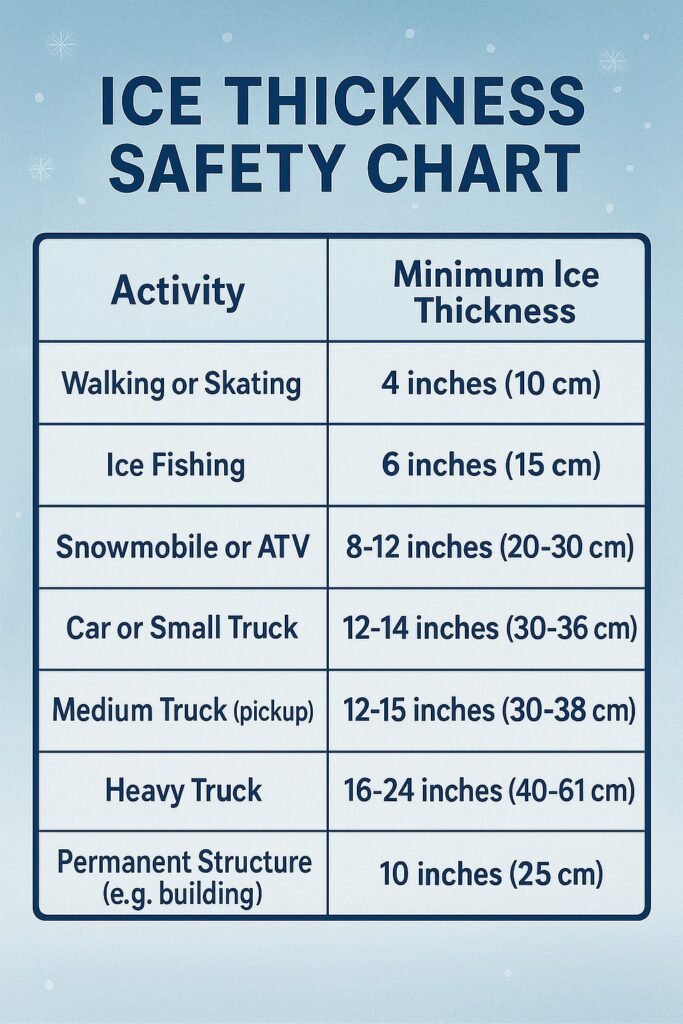
I don’t step onto ice unless I’ve confirmed at least 4 inches for foot travel, and even then, I’m cautious. For snowmobiles, I want 8–12 inches minimum, and vehicles aren’t even a thought until there’s well over a foot. Early on, I trusted footprints and old holes way too much. Ice changes daily, and someone else’s tracks don’t mean it’s safe for you.
Nighttime safety hazards and how to avoid them
Night fishing adds a whole new layer of risk. Depth perception disappears, pressure ridges sneak up on you, and holes become ankle breakers. I now mark my area with reflective tape or glow sticks. It looks silly, but tripping into a hole at midnight feels worse.
Proper lighting and visibility gear
A good headlamp is non-negotiable. I carry one primary and one backup because batteries die faster in cold than you expect. I also keep a handheld spotlight in the sled. Being able to scan pressure cracks or find your shelter from a distance has saved me more than once.
Avoiding currents, inlets, and pressure ridges
This is where burbot anglers get into trouble, because fish love these areas. Current weakens ice from below, even when the surface looks solid. I give inlets, outlets, and narrows a wide berth unless local knowledge says otherwise. Pressure ridges get crossed only at known crossings, never blindly.
Hypothermia awareness and emergency steps
Cold sneaks up on you, especially when you’re focused on fishing. Shivering, clumsy hands, and mental fog are early warning signs I used to ignore. Now I carry dry gloves, spare socks, and a full change of clothes in the sled. If someone goes through, the plan is simple: get dry, get warm, and get off the ice immediately. I love burbot fishing, but I love going home more.
The fish will always be there another night, and no bite is worth gambling your safety.
Cleaning, Cooking, and Preparing Burbot
I’ll admit it, I almost ruined my first Burbot before it ever hit a pan. I treated it like a walleye, hacked through it with a dull knife, and wondered why everyone hyped this fish so much.
Once I learned how to handle Burbot properly, everything changed. Prepared right, it’s easily one of the best-eating freshwater fish out there, and yeah, I don’t say that lightly.
How to properly fillet Burbot
Burbot aren’t filleted like most fish, and that tripped me up early. The skin is thick and rubbery, so trying to fillet through it is an exercise in frustration.
What works is skinning first. I cut behind the head, peel the skin back with pliers, and then remove the backstraps cleanly. It’s way easier and way less messy.
Why Burbot are often called “poor man’s lobster”
The nickname sounded like fishing hype until I tasted it done right. Burbot meat is firm, white, and slightly sweet, especially when boiled. The texture really does land somewhere near lobster tail. It’s not identical, but close enough that non-anglers are usually shocked when you tell them what they’re eating.
Best cooking methods (boiling, frying, grilling)
Boiling is the classic method, and it’s hard to beat. I simmer chunks in salted water for about 5–7 minutes until they just turn opaque.
Frying works great too, especially for smaller pieces. Light breading, medium heat, and don’t overcook; it dries fast if you’re not paying attention.
Recipes that highlight Burbot’s flaky texture
Simple recipes shine the most. Butter, garlic, lemon, and a pinch of salt let the meat speak for itself. One of my go-to meals is boiled Burbot dipped in drawn butter with a little paprika. It’s stupid simple and always disappears fast.
Field care to preserve meat quality
This part gets overlooked, and it shouldn’t. Burbot meat softens quickly if it’s left warm or dirty. I bleed them right away and keep them cold, ideally on ice. Clean fish equals better texture, better flavor, and fewer regrets later.
I used to think Burbot were just a novelty fish. Now they’re one of the main reasons I brave cold nights on the ice, because a successful trip doesn’t end at the hole; it ends at the table.
Bringing Your Burbot Ice Fishing Success Full Circle
Ice fishing for Burbot delivers a cold-season thrill like no other, and now you have a complete roadmap for turning every trip into a success. From understanding burbot behavior to choosing the best gear and techniques.
Get out and enjoy the adventure as well as the great-tasting catch.
Key Takeaways: Ice Fishing for Burbot (Ling)
- Ice fishing for Burbot is most productive in mid-winter, when water temperatures are coldest and spawning activity peaks.
- Burbot are the only freshwater cod species in North America and are highly active under the ice, especially after dark.
- Understanding Burbot winter behavior is essential; they become more aggressive in 34–38°F water rather than slowing down.
- Burbot spawn under the ice between late January and February, which triggers heavy feeding and roaming behavior.
- These fish are bottom-oriented, but depth varies widely—from 10–25 feet during spawning to 40–60 feet mid-winter.
- Productive bottom structure includes gravel flats, rocky bottoms, depressions, humps, and drop-offs rather than featureless mud.
- Low-light conditions consistently outperform bright conditions; overcast days, snowfall, sunset, and nighttime produce better bites.
- Night fishing is critical for success, with feeding windows often occurring in short, predictable bursts after sunset.
- Prime Burbot locations include points, drop-offs, mid-lake humps, river bends, current breaks, and spawning flats.
- Reading contour maps to identify tight contour transitions next to flats greatly improves location efficiency.
- In rivers, Burbot relate more to current seams and bottom composition than exact depth.
- Seasonal movement patterns shift from deep basins (early ice) to shallow gravel flats (mid-winter) and back deeper after spawning.
- Effective Burbot gear prioritizes durability and simplicity, not finesse.
- Medium-power ice rods (30–36 inches) provide the best balance of sensitivity and backbone.
- 10–15 lb braided line improves bite detection and hook-setting at depth; fluorocarbon is best used as a leader.
- Strong swivels, 1–3 oz sinkers, and abrasion-resistant leaders prevent line twist and lost fish.
- Sonar or a flasher is essential because Burbot often sit inches off the bottom and bite subtly.
- Tip-ups significantly increase coverage when placed along depth breaks and travel corridors.
- Ice shelters and heaters are strongly recommended for night fishing comfort, safety, and reaction time.
- Dead bait is the most effective bait for Burbot, with cisco, smelt, and sucker meat producing consistent results.
- Proper bait preparation: 2–3 inch strips with skin left on. It reduces short strikes and bait theft.
- Glow spoons and glow jigs are mandatory for night fishing and must be recharged frequently with a UV light.
- Adding glow beads and scent attractants increases bite commitment during slow or neutral periods.
- Larger lures perform better in deep water (40+ feet), while smaller profiles work in shallower zones.
- Rattles and vibration help draw Burbot in from distance, especially in dark or stained water.
- Effective techniques include vertical jigging, dead-sticking, bottom-thumping, and tip-up fishing.
- Bottom-thumping works by mimicking prey disturbance and triggering a feeding response.
- Burbot bites are often subtle and heavy, not aggressive; any unusual line pressure should trigger a hookset.
- The best feeding windows typically begin one hour after sunset and taper near midnight.
- Stable weather, snowfall, and reduced light penetration increase activity, while rapid pressure changes reduce bites.
- Full moons and clear ice can negatively impact shallow bites; deeper fishing compensates for excess light.
- Ice safety is critical due to night fishing, cold temperatures, and proximity to current.
- Minimum safe ice thickness is 4 inches for foot travel, 8–12 inches for snowmobiles, and significantly more for vehicles.
- Anglers should avoid inlets, outlets, narrows, pressure ridges, and current-affected areas unless conditions are verified safe.
- Proper lighting, reflective markers, and backup headlamps reduce nighttime hazards.
- Hypothermia prevention requires spare dry clothing, gloves, and immediate exit plans if someone gets wet.
- Burbot are best prepared by skinning first, then removing the backstraps rather than traditional filleting.
- The fish is commonly called “poor man’s lobster” due to its firm, sweet, white meat.
- Boiling, frying, and simple butter-based recipes best highlight Burbot’s texture and flavor.
- Proper field care: bleeding immediately and keeping fish cold preserves meat quality.
FAQ Section
What is the best time of year to ice fish for Burbot?
The prime burbot season is mid-winter, typically from January through February, when they begin preparing for and entering their spawning period. This is when they become highly active and feed aggressively, especially after dark.
What depth should I target when fishing for Burbot under the ice?
Most anglers find Burbot in 20–60 feet of water, depending on the lake. They tend to stay near the bottom, especially around gravel, sand, or rocky structures. During the spawn, they may move shallower into 10–25 feet of water.
What is the best bait for catching Burbot?
Dead bait works exceptionally well; Cisco, smelt, and sucker meat are top choices. These oily fish release a strong scent that attracts Burbot. Glow spoons and heavy glow jigs tipped with meat are also highly effective.
Are Burbot safe to eat?
Burbot is delicious and often compared to lobster when cooked properly. Their firm, white flesh makes them ideal for boiling, frying, or grilling. Many anglers consider Burbot one of the best-tasting freshwater fish.
Do I need special gear for burbot ice fishing?
A medium to medium-heavy ice rod, braid or fluorocarbon line, and sturdy jigs or spoons are all you need. Because Burbot are bottom feeders, gear that withstands abrasion and heavy contact with the bottom is recommended. A tip-up setup is also useful for stationary fishing.
Disclaimer: This blog post contains affiliate links