Skip to content

Before You Drill Your First Hole
The first time I stepped onto the ice, my heart was pounding, and not just from the cold. Ice fishing looks simple from the outside, but beginners quickly learn that small mistakes can lead to slow days, wasted money, or even dangerous situations. According to safety reports, most ice-related accidents involve anglers with less than two seasons of experience. That’s no coincidence.
I’ve made nearly every rookie mistake you can imagine, from fishing the wrong depth to trusting ice that had no business holding my weight. In this guide, I’ll break down the 7 big mistakes beginner ice fishermen make, explain why they happen, and show you how to avoid them. Fix these early, and you’ll fish smarter, safer, and with far more confidence.
Not Checking Ice Thickness and Safety Conditions
I learned this lesson the hard way during my second winter of ice fishing, when confidence outran common sense by about a mile. The lake looked frozen solid, the sun was out, and there were already tracks on the ice, so I figured I was good to go. About ten steps in, I heard that deep, hollow crack that makes your stomach drop, and yeah, I turned around real fast.
That moment stuck with me, and ever since then, checking ice thickness and overall safety conditions has been non-negotiable. Ice is sneaky, and it lies way more than people think. What looks safe from shore can be a whole different story just a few yards out.
Why ice thickness varies even on the same lake
One thing that surprised me early on was how uneven ice can be across a single lake. You can drill a hole and hit 6 inches of solid ice, then move twenty feet and barely find 2 inches. That’s because water movement, depth changes, underwater springs, vegetation, and even wind patterns all mess with how ice forms.
I once fished a shallow bay that had nearly 8 inches of ice, then wandered toward the main basin and suddenly found myself over thin, slushy ice. The temperature had been below freezing for weeks, but the deeper water held heat longer, and it slowed down the freezing process.
That day was a reminder that no lake freezes evenly, no matter how cold it gets.
Recommended minimum ice thickness for foot travel, ATVs, and vehicles
Here’s the rule I live by now, and it’s saved me from doing something really dumb more than once. For walking, 4 inches is deemed safe. I won’t step onto ice unless it’s at least 6 inches thick of clear, solid ice.
For snowmobiles or ATVs, I want 8 to 12 inches, and for motor vehicles, 16+ inches minimum, no exceptions.
And yes, I’ve ignored those numbers before. Once, my truck made it, but the cracking sounds underneath were loud enough to make me question every life decision I’d ever made.
Common danger zones: currents, pressure cracks, inlets, and outlets
Some areas are just bad news, no matter how thick the rest of the lake seems. Inlets and outlets always scare me because moving water eats away at ice from below. Pressure cracks can look frozen solid, but often hide weak spots that were already stressed.
Currents are the sneakiest, though. Even slow water movement under the ice keeps it thinner and weaker. I now give those areas a wide berth, even when everyone else is setting up nearby.
Tools every beginner should carry: ice spud, cleats, ice picks
There was a time when I thought safety gear was overkill. That mindset didn’t last long.
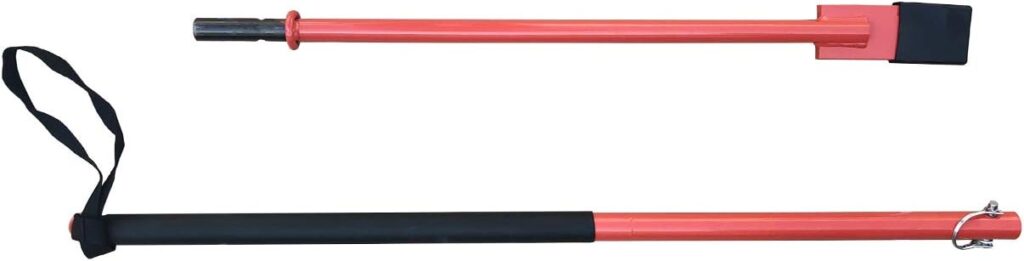
An ice spud bar lets you test ice thickness as you walk, and it’s the single best safety tool I own. Ice cleats keep you upright, especially when snow melts and refreezes into slick glare ice. And ice picks, worn around the neck, are there for worst-case scenarios, but man, when you need them, you really need them.
How weather patterns affect ice strength
The weather changes ice faster than most people realize. Warm days followed by freezing nights cause expansion and contraction, weakening the ice structure. Snowfall can insulate the ice, slowing down thickening and hiding dangerous thin spots.
I once assumed a week of cold weather meant solid ice, but a heavy snowstorm had insulated everything so badly that the ice barely thickened at all. That trip ended early, and frankly, it should have.
Now I always watch temperature trends, snowfall totals, and wind before heading out.
Ice fishing is a blast, but safety has to come first, every single time.
The fish aren’t going anywhere, but thin ice will absolutely ruin your day in ways you don’t want to experience.
Using the Wrong Ice Fishing Gear
I’ll be honest, my first season ice fishing was a complete gear disaster.
I showed up with my old open-water rod, some random mono line, and a tackle box that looked like it had survived three garage sales and a small explosion. Needless to say, I spent more time fighting frozen line and missed bites than actually catching fish.
That trip taught me real quick that ice fishing gear isn’t just “winter versions” of regular fishing stuff. It’s a totally different game, and once I started using the right equipment, everything got easier, warmer, and way more productive.
Difference between open-water and ice fishing rods
Using a standard fishing rod on the ice feels like trying to write with a broom handle. Ice fishing rods are shorter, usually 24 to 36 inches, which gives you better control inside a tight space like a shelter or right next to the hole. That shorter length also makes it easier to detect light bites, especially when panfish are just nibbling.
I remember trying to jig with my long spinning rod, and it was awkward, sloppy, and exhausting. Once I switched to a proper ice rod with a sensitive tip, I immediately noticed more subtle strikes. It felt like someone turned the lights on.
Why cheap gear can hurt bite detection and hook-ups
I get the temptation to go cheap, especially when starting out. I did it too, and honestly, I paid for it in frustration.
Low-quality rods often lack sensitivity, meaning you miss soft bites. Cheap reels freeze up faster, slip under pressure, and tangle line like it’s their full-time job. I once lost three fish in a row because my bargain reel seized mid-fight, and yeah, that hurt.
Spending a little more on decent gear doesn’t guarantee fish, but it definitely helps you feel what’s happening under the ice.
Importance of proper line types for cold temperatures
Cold weather destroys standard fishing line. Mono gets stiff, coils like crazy, and snaps easier when temperatures drop below freezing. After breaking off two good fish in one morning, I switched to ice-specific mono and fluorocarbon, and it was a game-changer.
Ice fishing line stays flexible in sub-zero temperatures and handles abrasion from sharp ice edges better. Fluorocarbon leaders, especially in the 2–6 lb range, improved my hook-up rate noticeably in clear water.
It might seem minor, but it makes a massive difference.
Overlooking essentials like sleds, shelters, and heaters
Early on, I figured I could just carry everything by hand and tough out the cold. That lasted exactly one trip.
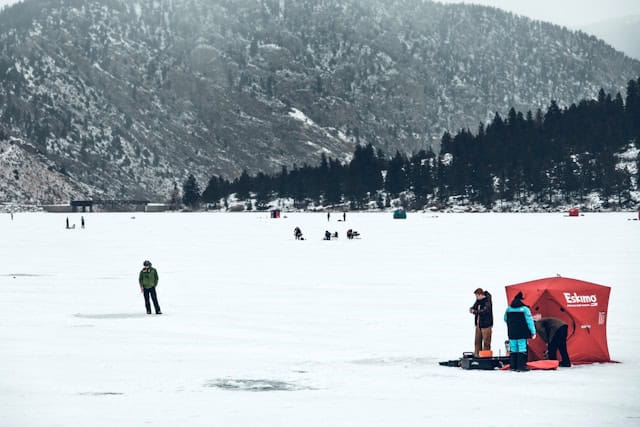
A sled saves your back, your energy, and your sanity. Portable shelters block wind and hold heat, and a small propane heater turns brutal days into comfortable ones. Once those were added to my setup, I could fish longer, stay focused, and actually enjoy myself instead of shivering nonstop.
Balancing budget gear vs long-term investment equipment
This part took me a few seasons to figure out. Buying the cheapest gear usually means buying the same stuff twice.
I started slowly upgrading one piece at a time: better rod first, then reel, then shelter. Spreading out the cost made it manageable, and the improvement in comfort and success was huge. Some budget gear is totally fine, but critical items like rods, reels, line, and safety equipment are worth spending a little extra on.
Ice fishing gets way more fun when your gear works with you instead of against you. Once I stopped fighting my equipment, I could focus on finding fish, dialing in presentations, and actually enjoying those peaceful winter mornings out on the ice.
Fishing in the Wrong Locations
This one probably cost me more fish than any other beginner mistake, and it took a few seasons before the lesson finally stuck. I used to assume fish just kind of stayed where I caught them in summer, so I’d set up in the same general areas and wait. Spoiler alert: winter fish do their own thing, and they do not care about my assumptions.
Why fish location changes dramatically in winter
Once lakes freeze over, oxygen levels shift, light penetration drops, and water temperatures stabilize, which forces fish to adapt. That means they move, sometimes a lot, chasing better oxygen, comfortable temps, and reliable food sources. I remember pounding a shallow weed flat all morning, only to find out later the fish had slid into deeper basin edges where oxygen was more stable.
It was frustrating, but also fascinating once I started understanding what was happening under the ice. Fish weren’t gone; they had just relocated to smarter winter homes. And yeah, I had been fishing empty water like a champ.
Common beginner mistake: drilling holes randomly
This was 100% me. I’d show up, drill a dozen holes in random spots, drop lines, and hope for the best.
Sometimes I’d get lucky, but most days I just burned energy and time.
Eventually, I realized that random drilling is basically gambling, and not the fun kind. Now I drill strategically, starting shallow and working deeper, following structure instead of vibes.
Understanding structure, drop-offs, and weed edges
Structure is everything under the ice. Drop-offs, humps, points, submerged rock piles, and weed edges all concentrate fish because they offer feeding lanes and cover.
One winter, I found a steep drop from 8 feet down to 20, and it became my go-to walleye spot. Fish stacked along that edge like commuters waiting for a train. Weed edges are especially deadly for perch and pike, especially where healthy vegetation still holds oxygen.
How lake maps and sonar help pinpoint fish
I resisted electronics at first because I thought they were cheating.
Turns out, they’re just tools, and very helpful ones.
Lake maps show underwater terrain, letting you target drop-offs and structure before drilling a single hole. Sonar units reveal depth, bottom composition, and fish activity in real time, which saved me countless hours. Once I started using a fish finder, my catch rates went way up, and my frustration levels went way down.
Seasonal fish movement under the ice
Fish don’t stay put all winter. Early ice often sees fish shallow, feeding aggressively in remaining weeds. Mid-winter pushes them deeper due to oxygen depletion, while late ice brings them back to shallower depths as sunlight and oxygen increase.
Understanding these seasonal patterns helped me predict where fish would be, rather than chasing yesterday’s hotspots. That mental shift changed everything. Instead of hoping, I was planning, and the results spoke for themselves.
Fishing in the wrong location is like knocking on the wrong door and wondering why no one answers. Once I learned to read the lake, follow structure, and trust seasonal movements, ice fishing became way more consistent. Few things beat that feeling of drilling your first hole of the day and marking fish right away.
Ignoring Stealth and Noise Control
This one embarrassed me for years, because I honestly didn’t realize how loud I was being. I figured once the ice froze over, noise wouldn’t matter much, and boy, was that assumption dead wrong. The first time I watched fish scatter on my sonar was the second; I stomped my boot, and it finally clicked.
How sound travels farther through ice and water
Sound travels ridiculously well through solid ice and dense water, way better than through air. Every footstep, chair scrape, dropped pliers, and slamming sled echoes like a dinner bell underwater. Once I learned that vibrations spread in a cone pattern beneath the ice, it made total sense why fish would spook so easily.
One time, I had a school of crappie stacked perfectly under my hole, and they vanished right after I accidentally knocked my heater over. It wasn’t subtle, and neither was their exit. That moment stuck with me, and I started treating ice fishing like bow hunting instead of normal fishing.
Drilling too many holes too fast
Hole drilling is one of the biggest noise offenders, and yeah, I used to go wild with it. I’d drill ten or fifteen holes in rapid succession, proud of my efficiency, not realizing I was basically clearing fish out of the area.
Now I drill in small batches, give the area time to settle, and fish the first few holes before drilling more. This simple change alone increased my catch rate noticeably. Sometimes patience really does beat horsepower.
Walking and gear noise that spooks fish
Heavy boots crunching snow, sled runners grinding ice, and tackle boxes banging around all add up. Early on, my gear sounded like a garage falling apart, and the fish clearly weren’t fans.
I started loading my sled differently, securing loose items, and walking more slowly and softly. It felt silly at first, but the difference was immediate. More fish stayed in the area, and my sonar screen stopped looking like a ghost town.
Managing shelter movement and vibration
Shelters can be vibration factories if you’re not careful. Shifting weight, moving chairs, or bumping the walls all send shockwaves through the ice.
Inside my shelter, everything now has a designated spot, and I move deliberately. When it’s windy, I anchor the shelter well so it doesn’t shake.
Small adjustments like these were learned the hard way after watching fish scatter every time the shelter rattled.
Best practices for quiet hole hopping
Hole hopping is deadly for finding active fish, but only if you do it quietly.
I approach new holes slowly, kneel down gently, and avoid stomping around.
I also lower my transducer and bait carefully, rather than dropping them.
That soft entry keeps fish from bolting and gives me a better chance at immediate bites. It’s amazing how many fish will stick around if you treat the ice like thin glass.
Ignoring stealth and noise control nearly cost me a whole season of good fishing before I finally caught on. Once I slowed down, softened my movements, and respected how sound behaves under the ice, everything changed. Fishing quietly adds a peaceful rhythm to the day, making ice fishing even more addictive.
Using the Wrong Bait and Lure Presentation
This one took me the longest to figure out, mostly because I thought I was being “active” and productive when I was actually just being chaotic.
Early on, I jigged like I was trying to summon fish from another dimension, bouncing lures aggressively and constantly reeling up and down. It felt right, but the empty holes and silent sonar screen said otherwise.
Over-jigging and excessive movement
Over-jigging is probably the most common ice fishing mistake, and I was absolutely guilty of it. I used to pound the jig so hard that my wrist would get sore, thinking more movement meant more attention. What I eventually learned is that winter fish are cold, slow, and cautious, so wild action often scares them off instead of triggering strikes.
Once I started using subtle lifts of 1 to 3 inches and letting the lure flutter back down naturally, I got way more consistent bites. Sometimes I’d barely move the jig at all, just letting it sit there and tremble slightly. Those slow, lazy movements often outperformed my old aggressive style by a mile.
Matching lure size to fish species and mood
Lure size matters way more than I used to think. I once spent two hours trying to catch perch with a bulky spoon meant for walleye, and it didn’t go well.
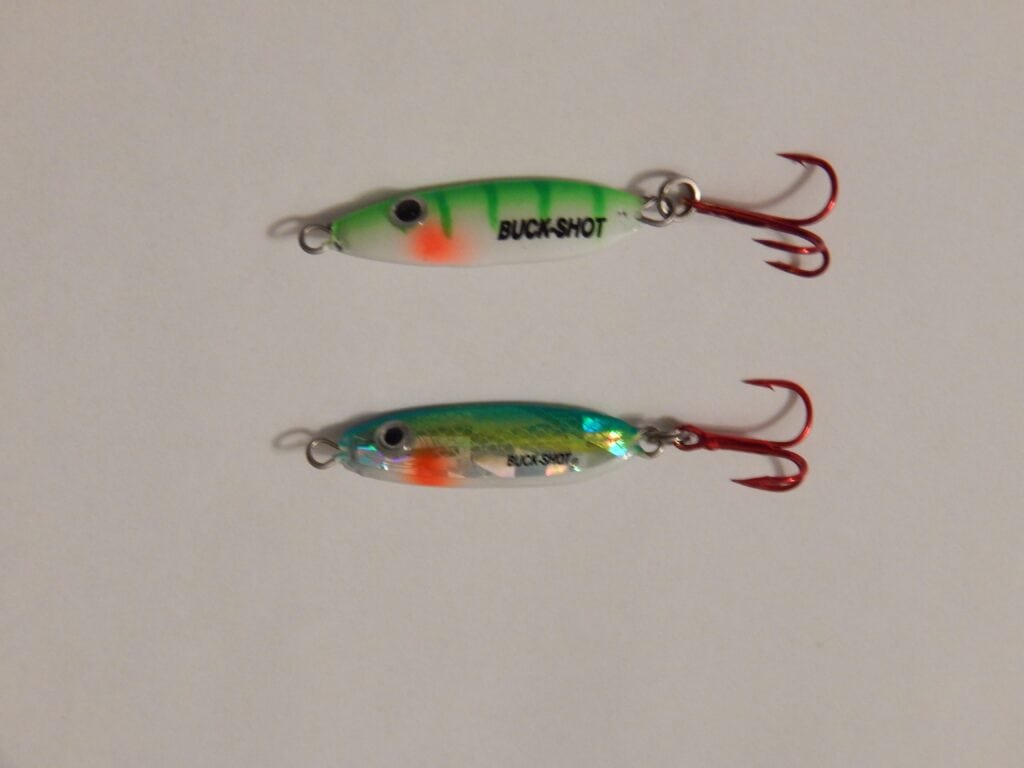
Smaller panfish like bluegill and crappie prefer tiny jigs in the 1/64 to 1/16 oz range, while walleye and trout respond better to 1/8 to 3/8 oz lures depending on depth and current. But mood matters, too. When fish are aggressive, bigger baits can trigger reaction strikes, but on tough days, downsizing often saves the trip.
When to use live bait vs artificial lures
Live bait used to be my crutch. If the bite slowed, I’d immediately slap on a waxworm, minnow head, or shiner and hope for magic.
Over time, I realized that artificial lures can be just as effective, especially when fish are active. Plastics, tungsten jigs, and flashy spoons cover water faster and attract attention. Live bait shines when fish are finicky, pressured, or neutral, and that’s when subtle scent and natural movement really help seal the deal.
Importance of cadence, pauses, and subtle motion
Cadence is everything. The rhythm of your jigging, lift, pause, drop, pause, tells fish whether you’re food or just noise.
Some of my best days came when I slowed everything down and extended my pauses to five or even ten seconds. That dead still moment often triggered strikes, especially from cautious fish that needed time to commit. Patience, as annoying as it sounds, is one of the most powerful tools in ice fishing.
Adjusting presentations based on sonar feedback
Sonar completely changed how I fish. Watching fish rise toward my lure, then turn away, taught me more in one season than years of blind jigging.
If fish rushed in fast, I’d speed up my cadence to trigger reaction bites.
If they hovered but wouldn’t strike, I slowed things way down and downsized. Sometimes I’d even lift my lure away from approaching fish to trigger instinctive strikes, which felt counterintuitive but worked surprisingly well.
Using the wrong bait and presentation cost me a lot of fish before I finally started paying attention. Once I learned to read fish behavior, adjust cadence, and respect their mood, everything clicked. Now, half the fun is experimenting, tweaking movements, and watching those subtle changes turn lookers into biters.
Not Paying Attention to Depth and Fish Behavior
This one took me way too long to figure out, mostly because I assumed fish were always hugging the bottom. So for years, I parked my lure six inches off the lake floor and waited, sometimes for hours, wondering why nothing was happening. Meanwhile, fish were swimming right past me halfway up the water column, and I was completely clueless.
Fishing too high or too low in the water column
Fishing at the wrong depth is like knocking on the wrong floor of an apartment building and hoping someone answers. Early on, I’d fish way too low, scraping bottom, stirring up silt, and probably spooking fish more than attracting them.
Now I usually start near the bottom, then work my way up in one-foot increments until I find active fish. It sounds simple, but this little habit dramatically improved my success. Some days, fish wanted it right on the bottom, while other days they hit aggressively three to six feet up.
Ignoring suspended fish
Suspended fish confused me at first. Seeing marks floating mid-water on sonar made me think they were just passing through.
Turns out, suspended fish are often the most aggressive biters.
I once spent an entire morning chasing bottom fish before finally dropping my jig halfway down and instantly hooking into a school of roaming crappie. That day completely rewired how I approach depth.
How light penetration affects fish depth
Light plays a massive role in where fish hang out under the ice.
On bright, sunny days, fish often slide deeper or tuck tight to structure to avoid harsh light. During low-light periods like early morning, dusk, or heavy snowfall, they tend to roam shallower.
I noticed that my best shallow bites consistently happened on overcast days or during snowstorms. Bright bluebird days usually pushed the fish deeper, forcing me to adjust. Once I started matching my depth to light conditions, my catch rate jumped.
Adjusting depth as conditions change throughout the day
Fish rarely stay locked into one depth all day. Morning bites often happen shallower, then gradually slide deeper as the sun climbs. Late afternoon often brings fish back up again.
Now I constantly adjust depth instead of stubbornly staying put. Even small changes, such as raising or lowering a lure by one foot, have saved slow days. That flexibility has probably put more fish on the ice than any lure ever did.
Using electronics to track real-time fish response
Electronics taught me more about fish behavior than anything else. Watching fish approach, hesitate, and strike in real time is like getting instant feedback on what works.
If fish followed my lure but wouldn’t commit, I adjusted depth, cadence, or lure size. Sometimes, just raising the bait slightly above them triggered aggressive strikes. That visual feedback turned guessing into decision-making, which made every trip more productive.
Not paying attention to depth cost me countless fish before I finally started tuning in. Once I learned to read fish behavior and adjust in real time, everything changed. And honestly, there’s nothing cooler than watching a fish rise up on a fish finder, hesitate for a second, then absolutely crush your bait.
Skipping Planning and Preparation
This mistake bit me harder than any bad lure choice ever could, mostly because I used to treat ice fishing trips like spontaneous hangouts instead of actual outdoor excursions. I’d glance at the temperature, grab my gear, and roll out, assuming I could figure the rest out later. That carefree mindset led to frozen fingers, rushed setups, and one memorable trip where I had to bail early because I wasn’t prepared.
Failing to check weather forecasts and wind conditions
Wind is the silent trip killer. You can handle cold, but brutal wind will slice through layers and morale in no time.
I once showed up at a lake expecting calm conditions, only to be met with 30 mph gusts and drifting snow that erased my tracks. Setting up a shelter in that mess felt like wrestling a parachute. Now I always check wind speed, gust forecasts, and storm systems before heading out, because no fish is worth frostbite.
Not bringing enough safety or emergency gear
Early on, I figured emergencies were things that happened to other people. Then my auger froze, my lighter stopped working, and my phone battery died, all in the same afternoon.
Now I pack extra gloves, dry socks, a backup lighter, a power bank, a first aid kit, and a headlamp. It sounds excessive until something goes wrong.
Preparation turns potential disasters into minor inconveniences, and that peace of mind is priceless.
Poor clothing choices leading to cold fatigue
Cold fatigue is real, and it sneaks up on you. When your body burns energy just trying to stay warm, you get tired fast, make bad decisions, and lose focus.
I used to wear bulky layers that trapped sweat, which later froze and chilled me to the bone. Now I stick to moisture-wicking base layers, insulating mid-layers, and windproof outer shells. Staying dry keeps me warm longer and lets me fish harder, which directly affects success.
Underestimating setup and teardown time
I used to think I could be fishing five minutes after arriving.
That illusion didn’t survive long.
Drilling holes, setting shelters, organizing gear, and getting electronics dialed in takes time, especially in harsh weather. Rushing leads to mistakes, tangled lines, and forgotten equipment. Planning extra time makes the whole trip smoother and far less stressful.
How planning improves success and enjoyment
Once I started planning properly, everything changed. I checked the weather, scouted maps, pre-packed gear, and planned entry points.
Trips became smoother, safer, and way more productive.
Instead of reacting, I was anticipating. That shift made ice fishing more relaxing and far more enjoyable.
Skipping planning and preparation used to cost me comfort, safety, and fish. Now it’s the foundation of every successful outing. And honestly, when you’re warm, safe, and organized, ice fishing becomes less of a battle and more of the peaceful winter escape it’s meant to be.
Learn From These Ice Fishing Mistakes
Ice fishing is one of the most rewarding winter pursuits, but only if you avoid the mistakes that hold beginners back. From ignoring ice safety to fishing the wrong depth, these errors are common, costly, and completely preventable. I’ve learned the hard way, so you don’t have to.
Key Takeaways: 7 Big Mistakes Beginner Ice Fishermen Make
Core Lesson
- Ice fishing success depends on safety, preparation, location strategy, proper gear, stealth, depth control, and adaptive presentation.
- Most beginner failures are preventable with planning and awareness.
- Fixing these mistakes early dramatically improves catch rates, confidence, and overall safety.
1. Not Checking Ice Thickness and Safety Conditions
2. Using the Wrong Ice Fishing Gear
3. Fishing in the Wrong Locations
4. Ignoring Stealth and Noise Control
5. Using the Wrong Bait and Presentation
6. Ignoring Depth and Fish Behavior
7. Skipping Planning and Preparation
Final Ice Fishing Takeaway
- Ice fishing mistakes are common but avoidable.
- Safety is the foundation of every successful trip.
- Location strategy matters more than luck.
- Stealth increases catch rates.
- Presentation adjustments convert lookers into biters
- Planning turns stressful trips into productive winter outings.
- Beginners who correct these seven mistakes fish smarter, safer, and more confidently.
FAQ Section
What is the biggest mistake beginner ice fishermen make?
The biggest mistake is not checking ice thickness and safety conditions before heading out. Ice can vary dramatically across the same body of water, especially near currents, pressure cracks, or inflows
How thick should the ice be for ice fishing safely?
For foot travel, ice should be at least 4 inches thick. If you’re using an ATV, you’ll want closer to 8-12 inches, and vehicles generally require 16 inches or more. These are minimum guidelines, not guarantees. Clear, solid ice is stronger than cloudy or slushy ice, so conditions should always be evaluated carefully.
Do beginners really need a fish finder for ice fishing?
A fish finder dramatically shortens the learning curve. Many beginners waste hours fishing unproductive depths or locations. Electronics help you identify fish presence, track lure movement, and adjust your presentation in real time, making them one of the most valuable tools for improving success on the ice.
Why am I marking fish but not catching anything?
Beginners often jig too aggressively, use lures that are too large, or fail to adjust their cadence. Fish under the ice can be extremely finicky. Slowing down, downsizing your lure, and adding longer pauses often turns lookers into biters.
What gear is absolutely essential for beginner ice fishermen?
At a minimum, beginners should have a short ice fishing rod, cold-weather line, an ice auger, a spud bar, ice picks, warm layered clothing, and basic safety equipment. Optional but highly recommended items include a sled, a sonar unit, and a portable shelter for comfort and longer fishing sessions.
Disclaimer: This blog post contains affiliate links