Skip to content

Getting Ready for the Ice: Gear That Makes or Breaks Your Ice Fishing Trip
Ice fishing isn’t just about patience and cold weather; it’s about preparation, gear, and knowing exactly what you need to conquer frozen lakes and catch more fish. I still remember my first ice fishing trip when I showed up with gloves and a chair, only to realize I’d forgotten almost every essential item. Since then, I’ve honed my gear list to perfection.
In this article, we’re diving into the 11 essential ice fishing equipment items that will help you stay safe, comfortable, and successful on the ice. Whether you’re a seasoned angler or a first-timer, this gear checklist will keep you organized and confident, because when the weather is unforgiving and fish are biting, the right equipment makes all the difference.
1. Ice Augers: Drill Through the Ice with Ease
I learned pretty quickly that ice fishing lives or dies by your ice auger. The first season I went out seriously, I figured any auger would do. That mindset didn’t last long once I was sweating through my base layer just trying to punch a single hole. Ice augers look simple, but they end up shaping your entire day on the ice, for better or worse.
Explanation of what an ice auger does
An ice auger’s main job is drilling clean, round holes through frozen ice so you can fish efficiently. That sounds obvious, but the difference between a good auger and a bad one is night and day. A sharp auger cuts straight down with minimal effort, clears slush properly, and doesn’t bind halfway through the hole. A bad one makes you lean your full body weight into it while questioning why you didn’t stay home. I’ve been on both ends of that spectrum, and once you experience smooth drilling, there’s no going back.
Hand-held vs. gas vs. electric augers
Hand-held augers were where I started, mainly because they were affordable and easy to haul around. For early ice, under about 6 inches, they work just fine. The problem shows up when the ice thickens. Around 10 inches, fatigue sets in fast, and sloppy technique starts to creep in. Gas augers felt like a major upgrade at first. They cut fast and don’t care how thick the ice is, but they’re heavy, loud, and require maintenance that was often forgotten until something broke. Electric augers ended up being my sweet spot. Modern lithium batteries changed everything. They’re lighter, quieter, and don’t smell like fuel. Battery management becomes important, but overall, drilling was easier and more enjoyable.
Tips for choosing the right size based on ice thickness
Auger diameter matters more than most people realize. I bought a 10-inch auger early on because it seemed like the “do-it-all” size. It works, but for panfish like perch or crappie, a 6-inch auger is more efficient and saves energy. Thicker ice amplifies that difference. Once ice hits 12 inches or more, smaller holes mean less strain and longer battery life. Bigger holes make sense for pike or lake trout, but they come at a cost. Match the size to the species and ice conditions, not just tradition.
Safety considerations when drilling
Ice auger safety was something I underestimated until I saw a close call. Auger blades are brutally sharp, and blade guards should never be skipped during transport. Loose clothing, straps, or cords can get caught if you’re careless. I also learned to keep my distance when drilling near others because ice chips fly everywhere. Drilling was always done with a solid footing, since slipping while pushing down on an auger is a fast way to get hurt. Respecting the tool keeps the day fun instead of memorable for the wrong reasons.
2. Ice Fishing Rods & Reels: Choose the Right Setup
For a long time, I thought a fishing rod was just a fishing rod. That belief lasted right up until I tried using a short open water spinning rod inside an ice shelter and smacked the ceiling on every hookset. Ice fishing rods and reels are a different animal, and once I stopped fighting that fact, everything got easier. My catch rate went up, my frustration went down, and I stopped feeling like the least prepared person on the lake.
Overview of specialty ice fishing rods & reels
Ice fishing rods are built for tight spaces, cold conditions, and subtle bites. They’re shorter, stiffer through the backbone, and way more sensitive in the tip than open-water gear. That sensitivity matters because winter fish don’t always slam a lure. Half the time, the bite feels like extra weight or a tiny tap that’s easy to miss. Ice reels are also designed to function in freezing temps, with lubricants that won’t thicken or cause line twist or drag. I learned that the hard way after a reel locked up at ten degrees and turned into a frozen paperweight.
Differences between spinning, tip-up, and jigging rods
Spinning rods are the most versatile and beginner-friendly. They’re great for jigging spoons, small plastics, and live bait rigs. Tip-up setups are a different game entirely. There’s no rod in hand, just a spool and a flag, which makes them perfect for covering water or targeting aggressive predators like pike. Jigging rods are where finesse shines. They’re usually ultra-light or light action with soft tips that telegraph every movement. I used to think jigging rods were too specialized, but once I started chasing finicky panfish, they became my go-to.
Reel types and drag systems for ice fishing
Most ice anglers rely on spinning reels, and for good reason. They’re simple, reliable, and easy to manage with gloves on. Inline reels are another option, especially for vertical jigging. They reduce line twist and offer precise depth control, which matters when fish are hugging the bottom. Drag systems are critical in cold weather. Smooth, consistent drag prevents break-offs when a fish makes a sudden run. Cheap reels tend to have jerky drags, and that flaw gets magnified in freezing temperatures. Spending a little more here saved me a lot of lost fish.
How rod length affects control and sensitivity
Rod length is one of those things people overlook until it clicks. Short rods, around 24 to 28 inches, offer excellent control in tight shelters and improve sensitivity for subtle bites. Longer rods, up to 36 inches, help absorb head shakes and improve hooksets, especially when fishing outside. I used to default to longer rods, but switching to shorter ones gave me better lure control when jigging and fewer missed bites. It felt awkward at first, but the payoff was obvious after a few outings.
3. Ice Shelter or Tent: Stay Warm and Protected
I’ll be frank, there was a time I thought ice shelters were optional, maybe even a little soft. I used to tell myself I’d “tough it out” and save the money. That confidence usually disappeared about an hour into a windy day when my hands stopped working right, and I couldn’t feel my toes. Cold does more than make you uncomfortable. It kills focus, slows reaction time, and shortens trips way faster than people admit.
Importance of shelter for cold weather
An ice shelter isn’t just about staying warm; it’s about staying effective. Wind is the real enemy on frozen lakes, not temperature alone. A shelter blocks wind chill, traps heat, and gives you a controlled environment where you can fish longer and think clearly. I noticed my bite detection improved immediately once I started fishing inside a shelter. When you’re not shivering, you notice subtle line movement and rod tip twitches that would otherwise be missed.
Types of ice shelters: pop-ups, hub shelters, portable tents
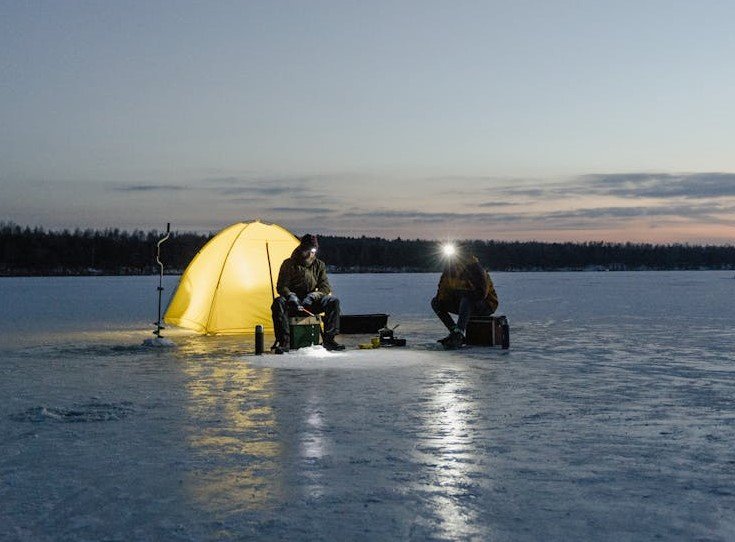
Pop-up shelters were my entry point. They’re lightweight, quick to deploy, and easy to drag by hand. The downside is space. Once you add a heater, a sled, and a buddy, things get cramped fast. Hub shelters are the most popular for a reason. They offer excellent headroom, solid wind resistance, and decent insulation. Setup takes a little practice, but once you’ve done it a few times, it becomes second nature. Portable tents, especially flip-over shelters, combine mobility and comfort. You fish, flip it closed, and move without packing everything up, which is huge when chasing active fish.
Features to look for: insulation, windows, floor heaters
Insulation matters more than size. Thermal fabric holds heat better and reduces condensation, which keeps gear dry. Windows are underrated. Natural light makes long days more enjoyable and helps monitor tip-ups outside. As for heaters, floor-mounted propane heaters are common, but placement matters. Keep them centered and stable to avoid melted ice or carbon monoxide issues. Ventilation is critical, even when it’s cold. I learned that lesson after waking up groggy and realizing airflow had been neglected. Also, remember to have a portable carbon monoxide detector.
Setup and breakdown tips
Setup gets easier if you practice at home. That sounds silly, but it saves time on the ice. Always anchor your shelter immediately, even in calm conditions. Wind shows up fast and turns loose shelters into kites. During breakdown, knock off ice and snow before folding. Frozen fabric cracks over time, and replacing a shelter isn’t cheap. I also pack everything in the same order every time, which cuts down on frustration when daylight is fading.
4. Warm Clothing & Boots: Dress for Extreme Cold
I used to think I was dressing “warm enough” for ice fishing, and that belief cost me more short trips than I like to admit. I’d start the day confident, then slowly lose feeling in my feet, followed by my fingers, and finally my patience. Cold creeps in quietly. By the time you notice it, you’re already behind. Dressing right isn’t just about comfort; it’s about staying safe and actually enjoying your time on the ice.
Base layers vs. mid-layers vs. outerwear
Base layers are the foundation, and I learned that cotton is the enemy the hard way. Moisture gets trapped, heat gets lost, and suddenly you’re colder than when you started. Merino wool or synthetic base layers pull sweat away and keep you dry. Mid-layers add insulation. Fleece or lightweight down works well here, depending on activity level. Outerwear is your shield. A good ice fishing jacket and bibs block wind, hold heat, and allow movement. Cheap outer layers leak heat fast, even if everything underneath is solid.
Insulated boots and traction systems
Boots are where mistakes hurt the most. Standing on ice all day sucks warmth straight out of your feet. Insulated boots rated for at least -40 degrees made a noticeable difference for me, especially when paired with wool socks rather than doubling up on cotton ones. Too-tight boots restrict circulation, which makes things worse. Traction systems are another thing people ignore until they slip. Ice cleats or spikes provide grip on glare ice, and once you use them, you won’t go back.
Gloves, hats, and face protection
Hands and face take the brunt of winter. I rotate gloves constantly. Thin gloves for jigging, thicker insulated ones for moving or drilling. Wet gloves kill heat fast, so spares were always packed. Hats matter more than people think. A windproof hat that covers your ears retains heat better than any hood alone. Face protection, like balaclavas or neck gaiters, blocks wind burn. I resisted those for years, but wind on exposed skin will ruin your day fast.
Windproof vs. waterproof clothing choices
Windproof gear is often more important than waterproof gear on frozen lakes. Dry cold with heavy wind feels brutal without proper protection. That said, waterproofing matters when slush builds up or snow melts under heaters. Breathable materials prevent sweat buildup, which helps regulate temperature. I’ve found that wind-blocking outerwear with decent water resistance works best on most days. Fully waterproof gear shines during wet snow or warmer late-season conditions.
5. Ice Fishing Electronics: Fish Finders & Depth Sounders
I was stubborn about ice fishing electronics for a long time. I told myself they were cheating, or unnecessary, or just another expensive thing to break in the cold. The truth finally hit after one long, fishless day when a buddy drilled ten feet away, dropped a transducer, and started catching fish almost immediately. Watching that unfold was humbling. Electronics don’t catch fish for you, but they sure stop you from fishing empty water.
How sonar enhances your ice fishing success
Sonar changes ice fishing by showing you what’s happening under the hole in real time. Instead of guessing depth or hoping fish wander through, you see bottom composition, suspended fish, and how they react to your lure. I remember the first time I watched a mark rise off the bottom and follow my jig. That feedback was eye-opening. It taught me when to slow down, when to change cadence, and when fish just weren’t interested. Sonar shortens the learning curve fast.
Popular fish finder features for ice anglers
Modern ice fishing fish finders pack a lot into small units. Adjustable sensitivity is huge because clutter builds up quickly in shallow water. Zoom features help focus on the bottom few feet where fish often sit. Color palettes matter more than expected, too. High-contrast displays make it easier to distinguish your lure from fish. Flasher modes are popular for their instant response, while traditional graph modes help track movement over time. I bounce between both depending on conditions.
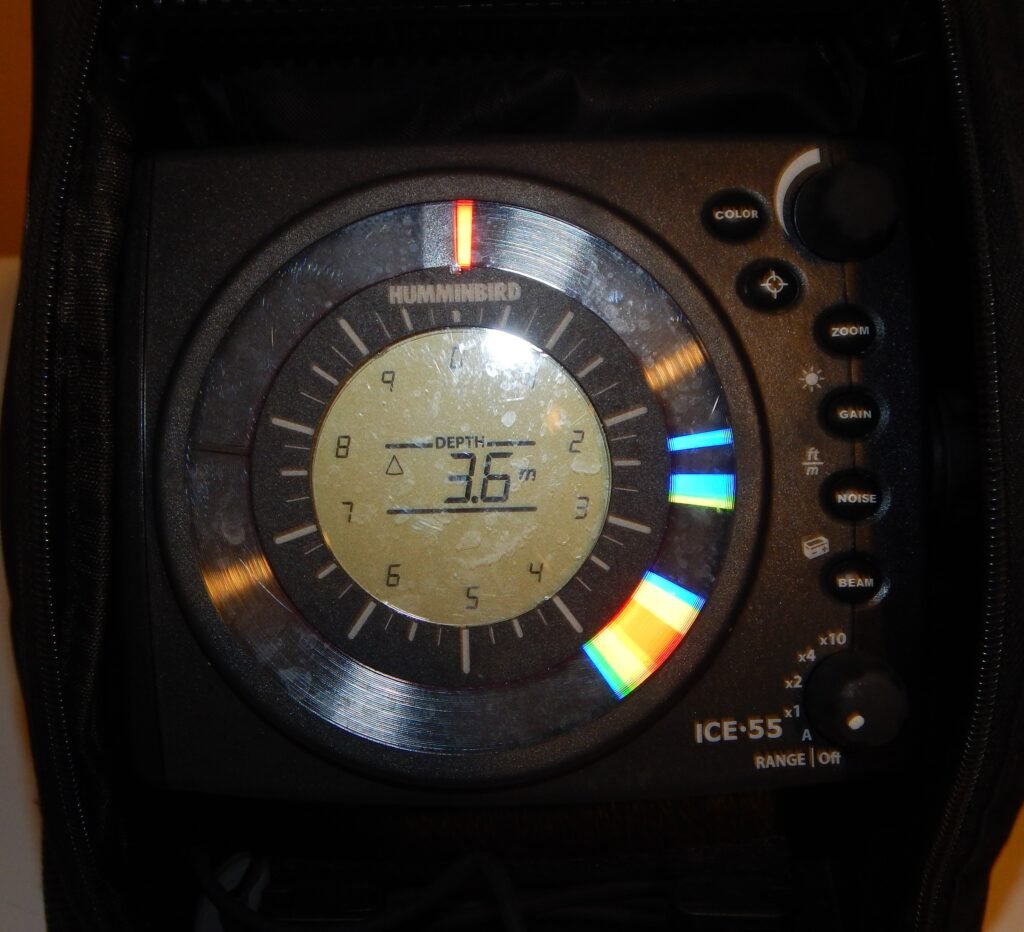
Mounting and power supply basics
Mounting seems simple until it isn’t. Transducers need to sit straight in the water for accurate readings. A crooked transducer gives messy returns, and I chased phantom fish for a while before realizing that mistake. Portable ice fishing designs with weighted transducers make setup easier and faster. Power supply matters more in cold weather. Lithium batteries last longer and weigh less, but cold drains them quicker than expected. Keeping batteries insulated and charged saved me from early shutdowns more than once.
Tips for reading underwater structure
Learning to read structure takes time. Hard bottoms show as thicker, brighter lines, while soft bottoms appear thinner and fuzzier. Sudden depth changes signal drop-offs or humps, which attract fish. I pay close attention to transitions. If fish appear suspended halfway down, it’s usually not random. They’re feeding on something specific. Adjusting lure depth to match fish location matters more than lure choice most days.
Ice fishing electronics didn’t make me a better angler overnight, but they made me a smarter one. Once you understand what the screen is telling you, fishing stops feeling like blind luck and starts feeling intentional.
6. Tip-ups: Cover More Water Efficiently
I’ll admit it, I didn’t “get” tip-ups at first. They felt passive, almost boring, like you were waiting for the fish to do all the work. I was wrong. Very wrong. The first time I watched a bright orange flag snap up against a white, snow-covered lake, my heart jumped in a way that jigging never quite matched. Tip-ups taught me patience, positioning, and how powerful it is to let fish come to you.
What tip-ups are and why they’re useful
Tip-ups are simple mechanical devices that hold a baited line beneath the ice and signal a bite when a fish pulls the line. That flag popping up means something is happening below. They’re especially useful for covering large areas and targeting roaming predators like pike or walleye. While you’re focused on one hole, your tip-ups are fishing for you elsewhere. That efficiency adds up fast on slow days.
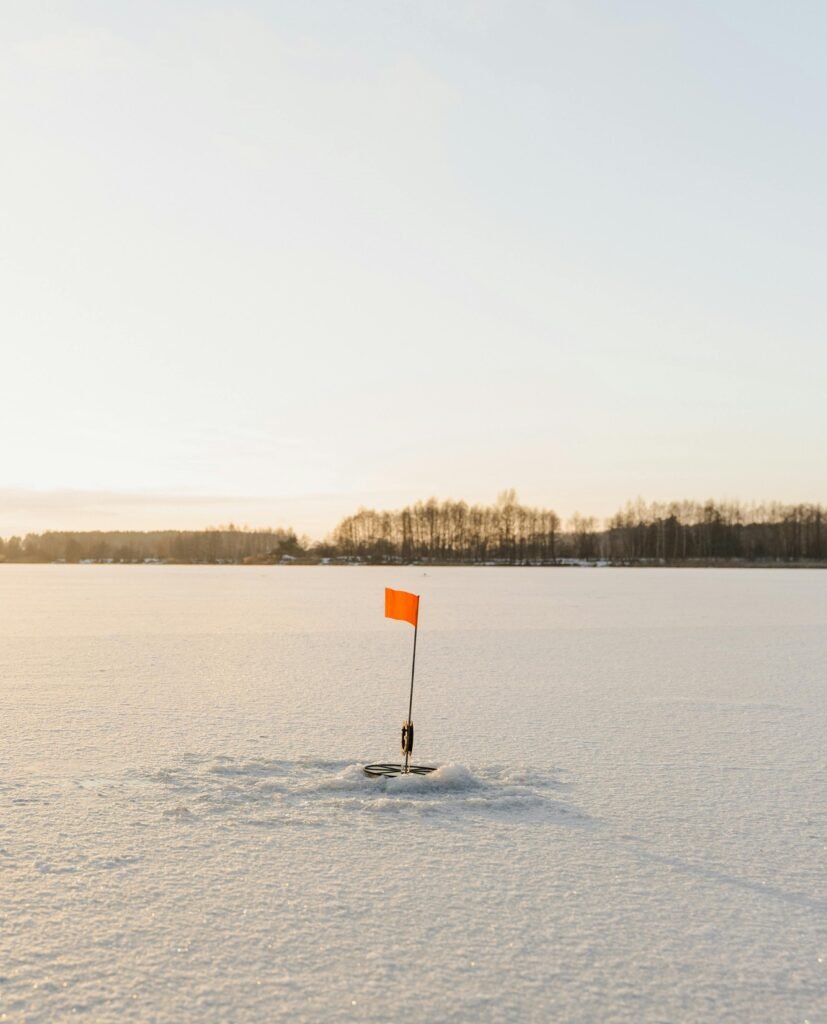
Setting up a tip-up properly
Proper setup matters more than most people think. I used to just eyeball depth and drop the bait, which worked sometimes, but not consistently. Now I measure depth carefully and set the bait just off bottom or suspended where fish are marking. The spool tension should be light enough for a fish to take line smoothly, but not so loose that wind trips the flag. After a few false flags, you learn that balance real quick.
When to use multiple tip-ups vs. active jigging
Tip-ups shine when fish are spread out or cruising. Early morning and late afternoon are prime times to deploy several. Active jigging works better when fish are concentrated or finicky. I like running tip-ups as scouts while jigging nearby. If a flag pops repeatedly in one zone, that tells me where to focus my effort. It’s a simple system, but it works.
Regulations and etiquette
Rules around tip-ups vary, and ignoring them causes problems fast. Many regions limit the number of tip-ups per angler, and some require name tags. Spacing matters too. Setting tip-ups too close to others is bad form and dangerous. Always check flags promptly and reset efficiently. Nothing annoys fellow anglers more than abandoned gear.
7. Bait & Lures: Attract Fish Under the Ice
If there’s one area where I’ve overthought things, messed them up, and then circled back to basics more times than I can count, it’s bait and lures. Early on, I believed the hype that one “magic” lure would solve everything. Spoiler, it didn’t. What finally worked was understanding how fish behave under the ice and matching bait choices to mood, species, and conditions, instead of just grabbing whatever looked cool at the shop.
Live bait options: minnows, wax worms, grubs
Live bait is still king in a lot of situations, especially when fish are sluggish. Minnows are my go-to for walleye and pike. Hooking them just behind the dorsal fin keeps them lively and upright. Wax worms and grubs shine for panfish. I’ve had days where plastics got ignored, but a single wax worm sealed the deal. The mistake I made early was using oversized bait. Smaller, lively offerings get bit more often when fish are cautious.
Artificial lures: spoons, jigs, soft plastics
Artificial lures give you control, and that matters when fish are finicky. Spoons are excellent for calling fish in from a distance. That flash and vibration grabs attention fast. Jigs are more subtle and better for finesse presentations. Soft plastics add profile without killing movement, especially when tipped on a jig. I used to over-jig everything until I realized subtle movements often outperformed aggressive ones in cold water.
Color and size choice for different species
Color matters, but not the way people think. Bright colors like chartreuse and glow work well in stained water or low light. Natural colors shine in clear water. For perch and crappie, small jigs in 1/32 to 1/16 ounce get more bites. Walleye respond better to medium spoons and jigging minnows. Pike aren’t shy, but even they ignore oversized presentations on tough days. Downsizing saved me more skunks than upsizing ever did.
Bait presentation tips
Presentation is where everything comes together. Fish don’t just react to what you use, but how you use it. I watch how fish respond on sonar and adjust immediately. If they chase but don’t commit, I slow way down. Dead-sticking works surprisingly well. Sometimes the best move is doing almost nothing. Pausing longer than feels comfortable has triggered more bites than any fancy jigging pattern.
8. Ice Picks & Safety Gear: Stay Safe on the Ice
Safety gear is one of those things everyone agrees is important, but almost nobody wants to talk about until something goes wrong. I used to be guilty of that mindset, too. I’d check ice thickness, feel confident, and leave the safety stuff in the truck. That changed after watching someone break through early-season ice and struggle longer than anyone expected. Nothing dramatic happened, but it stuck with me. Ice doesn’t give warnings, and preparation matters more than bravado.
Importance of personal safety gear
Personal safety gear isn’t about planning to fail; it’s about planning to survive the unexpected. Ice conditions change fast with currents, pressure cracks, and weather swings. Even experienced anglers misjudge thickness. Safety gear buys you time and options when things go sideways. I noticed that once I started carrying it consistently, my confidence improved. Not the reckless kind, but the calm, informed kind that lets you make better decisions.
Ice picks and how to wear them
Ice picks are small, cheap, and incredibly effective. They’re worn around the neck or clipped to your jacket, so they’re accessible instantly. If you fall through, gripping slick ice with bare hands is nearly impossible. Picks let you stab into the ice and pull yourself forward. I practiced using them once on purpose, and it was eye-opening how hard it is to climb out without them. They should never be buried in a backpack where they can’t be reached.
Life jackets, flotation suits, and ropes
Life jackets and flotation suits add buoyancy, which keeps your head above water if the worst happens. Flotation suits double as cold-weather clothing, which makes wearing them more practical. I resisted them at first because they felt bulky, but modern designs are surprisingly comfortable. A throw rope should always be nearby, especially when fishing with others. One person staying safe while assisting the other onto solid ice is the goal.
First aid and emergency planning
First aid kits often get overlooked, but minor injuries add up in cold environments. Cuts, burns from heaters, and frostbite need immediate attention. Emergency planning doesn’t have to be complicated. Let someone know where you’re going, fish with a buddy when possible, and carry a phone in a waterproof case. I also keep spare dry clothes in the vehicle. That small habit adds peace of mind.
9. Sled: Hauling Your Equipment with Ease
I didn’t appreciate how vital a sled was until I tried hauling gear by hand across half a frozen lake. That day started optimistically and ended with me making three trips back to the truck, sweating through layers, and questioning why I thought I was saving money. A good sled doesn’t feel exciting when you buy it, but once you use one properly, it becomes the backbone of every ice fishing trip.
Benefits of a sled
A sled turns chaos into something manageable. Ice fishing gear piles up fast: auger, shelter, heater, rods, bucket, electronics, and suddenly you’re overloaded. A sled keeps everything contained and easy to move in one trip. It also protects gear from dragging directly on ice, which reduces wear and breakage. I noticed my setup time got faster once everything had a designated place inside the sled.
Load-bearing considerations
Not all sleds are built the same. Thin plastic sleds flex under weight and crack in extreme cold. I learned that lesson when one split mid-pull and dumped gear across glare ice. Pay attention to weight ratings and wall thickness. Heavier sleds track better and don’t tip as easily. Balance matters too. Keeping heavy items low and centered prevents rollovers, especially on uneven snow.
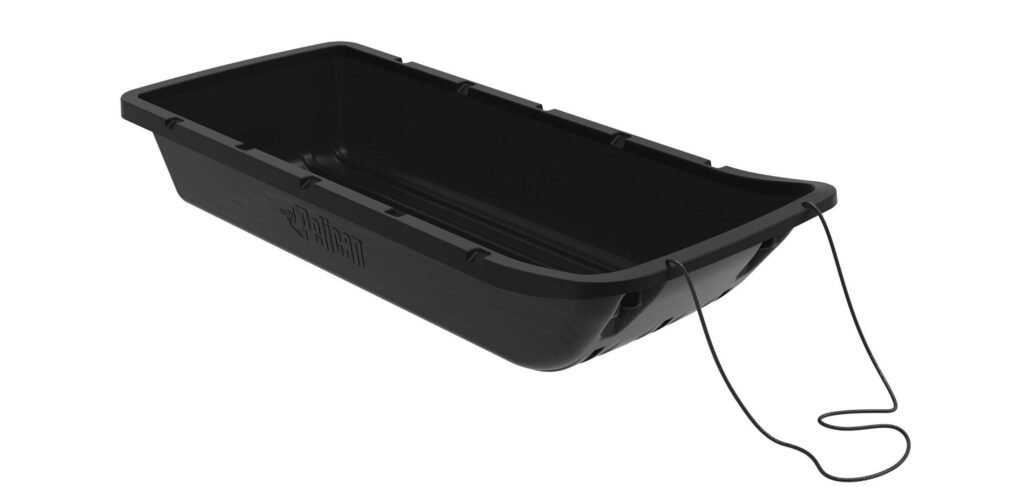
Accessories and tie-downs
Accessories make sleds way more useful. Hitch systems reduce strain when towing by hand or snowmobile. Tie-down straps keep gear from bouncing out, which happens more often than people admit. I added a rigid cover after losing rods to a wind gust. Rod holders, cargo nets, and runners all add functionality and extend the life of the sled.
Tips for moving gear over snow and ice
Snow conditions change everything. Packed snow pulls easily; deep snow does not. Wider sleds float better but take more effort. On bare ice, runners reduce friction and make towing smoother. I also learned to pace myself. Short, steady pulls beat aggressive yanks that burn energy fast. Keeping the sled organized prevents constant stops to fix shifted gear.
10. Heater & Portable Stove – Keep Warm and Cook Food
I used to think heaters were a luxury, something you brought along only if you were planning to sit all day. Then I spent one brutal afternoon trying to fish in subzero temps with numb fingers and a stiff jaw from clenching my teeth. That was the moment it clicked. A heater doesn’t just keep you warm; it keeps you functional. And once you add a portable stove into the mix, the whole ice fishing experience changes for the better.
Why heaters matter for comfort
Cold drains energy faster than most people realize. When your body is fighting to stay warm, focus drops, and mistakes creep in. A small propane heater inside a shelter creates a stable environment where hands work, electronics behave, and patience lasts longer. I stayed on the ice hours longer once I started using one. Comfort equals efficiency, and efficiency catches more fish.
Safe stove options for ice shelters
Portable stoves come in handy for heating food or water, but safety matters. Compact propane camp stoves are popular because they’re simple and reliable. Some heaters even double as cooking surfaces, which saves space. I avoid open-flame setups without stable bases. Spills happen, shelters shift, and accidents are usually the result of rushing. Keeping cooking surfaces low and steady reduces risk.
Fuel types and ventilation considerations
Most ice anglers use propane because it’s widely available and easy to manage in cold temps. One-pound cylinders are convenient but don’t last as long. Larger tanks require hoses but save money long term. Ventilation is critical. Even “indoor-safe” heaters consume oxygen. Cracking a window or roof vent prevents dangerous buildup. I learned this lesson after feeling lightheaded once, which was a clear sign that airflow had been neglected.
Cooking meals on the ice
Cooking on the ice sounds unnecessary until you try it. A hot meal resets your mood and energy instantly. Simple foods work best. Soup, chili, grilled sandwiches, or even boiling water for coffee make cold days manageable. I keep meals easy and cleanup minimal. Cooking was never about gourmet food, just warmth and comfort that keeps you fishing longer.
Have a portable Carbon Monoxide detector
This one gets overlooked far too often. Carbon monoxide is odorless and dangerous. A small battery-powered CO detector adds a layer of protection that’s hard to argue against. I keep mine clipped inside the shelter where it’s visible. It’s cheap insurance, and I wouldn’t run a heater without one anymore.
11. Storage & Organizers – Keep Tackle Neat and Accessible
For years, my idea of tackle storage was tossing everything into a bucket and hoping for the best. That worked right up until I needed a specific jig in freezing wind and ended up dumping half my gear onto the ice. Cold hands and clutter don’t mix. Once I started organizing properly, my fishing time increased, and my frustration dropped way more than I expected.
Tackle boxes and compartment systems
Good tackle boxes are built around compartments, not just space. Adjustable dividers let you customize layouts for jigs, spoons, and soft plastics. Shallow boxes work better for ice fishing because you’re usually accessing them from a seated position. I prefer clear lids so I can see what I need without opening every box. Deep boxes sound helpful, but they turn into junk drawers fast if you’re not careful.
Line, hooks, swivels, and terminal tackle storage
Terminal tackle gets messy quickly if it’s not contained. Hooks and swivels rust faster in cold, damp conditions. Small waterproof cases with tight seals prevent corrosion and tangles. I label everything. It sounds obsessive, but when your fingers are numb, guessing sizes wastes time. Spools of line stay better organized in zippered cases rather than loose pockets.
Organization tips for quick access
Organization should match how you fish. I group tackle by species and technique instead of size. Panfish jigs in one box, walleye spoons in another. That system keeps decision-making simple. I also keep frequently used items near the top. Digging through layers of gear while fish are biting is the fastest way to miss opportunities.
Waterproof and cold-resistant options
Cold turns cheap plastic brittle. Quality storage uses cold-resistant materials that won’t crack when dropped. Waterproof seals keep snowmelt and slush out, which matters more than most people think. Once moisture gets inside, freeze-thaw cycles ruin gear fast. I learned that lesson after opening a box of rusted hooks that were basically trash.
Gear Up, Stay Safe, and Fish Smarter on the Ice
Ice fishing can be exhilarating, challenging, and incredibly rewarding, but only when you have the right equipment for ice fishing. From robust ice augers to electronics that help you pinpoint fish under the ice, the 11 essential ice fishing equipment items in this checklist are designed to keep you safe, warm, and effective on every trip.
Get your equipment dialed in, organize your gear smartly, and you’ll spend more time catching fish and less time worrying about the cold.
We have an ice fishing checklist in our downloads, so you don’t forget anything.
Key Takeaways: Essential Ice Fishing Equipment
The following key takeaways summarize the most important ice fishing equipment needed to stay safe, warm, organized, and effective on frozen lakes.
- Ice augers are foundational tools: A sharp, properly sized hand, gas, or electric auger makes drilling safer, faster, and far less exhausting, especially as ice thickness increases.
- Ice-specific rods and reels improve bite detection: Shorter, sensitive rods and cold-weather reels are designed for subtle winter bites and tight shelter spaces.
- Shelters dramatically extend fishing time: Ice shelters block wind, retain heat, and improve focus, allowing anglers to fish longer and detect more bites.
- Proper clothing prevents cold-related fatigue: Layered systems with moisture-wicking base layers, insulated outerwear, and extreme-cold-rated boots are essential for safety and comfort.
- Electronics eliminate guesswork: Fish finders and flashers help identify depth, structure, and fish behavior, preventing wasted time fishing empty water.
- Tip-ups increase coverage: Tip-ups allow anglers to cover more water efficiently while targeting roaming species like pike and walleye.
- Bait and lure selection must match conditions: Live bait, spoons, jigs, and soft plastics should be sized and presented based on species activity and water clarity.
- Safety gear is non-negotiable: Ice picks, flotation gear, ropes, and first-aid kits prepare anglers for unexpected ice conditions and emergencies.
- Sleds simplify transport: A durable sled keeps gear organized, protected, and mobile, reducing fatigue and setup time.
- Heaters improve performance, not just comfort: Portable heaters and stoves keep anglers functional in extreme cold, but proper ventilation and CO detectors are critical.
- Organization saves time and frustration: Cold-resistant, waterproof storage systems keep tackle accessible and prevent damage from moisture and freezing temperatures.
FAQ Section
What is the most important piece of ice fishing equipment?
The most important piece of ice fishing equipment is an ice auger, as it allows you to drill through the ice and access the water below. Without an auger, you can’t fish. Electric and gas augers are ideal for thicker ice, while hand augers work well for early-season or lightweight setups.
Do beginners need ice fishing electronics?
Ice fishing electronics, such as fish finders or flashers, are not mandatory for beginners, but they significantly improve success. They help identify fish depth, bottom structure, and bait movement, making it easier to learn fish behavior under the ice and reduce guesswork.
How thick should the ice be before ice fishing?
For safe ice fishing, the ice should be at least 4 inches thick for foot travel. Thicker ice is required for snowmobiles or vehicles. Always check ice thickness regularly and carry ice safety gear, especially early and late in the season.
What clothing is essential for ice fishing?
Essential ice fishing clothing includes insulated, waterproof outerwear, thermal base layers, wind-resistant jackets, warm gloves, and insulated boots with good traction. Proper clothing prevents cold-related injuries and allows you to stay on the ice longer and fish more effectively.
Are tip-ups better than jigging rods for ice fishing?
Tip-ups and jigging rods serve different purposes. Tip-ups allow you to cover more water and fish passively, while jigging rods provide active control and finesse. Many anglers use both together to maximize their chances of catching fish.
Disclaimer: This blog post contains affiliate links